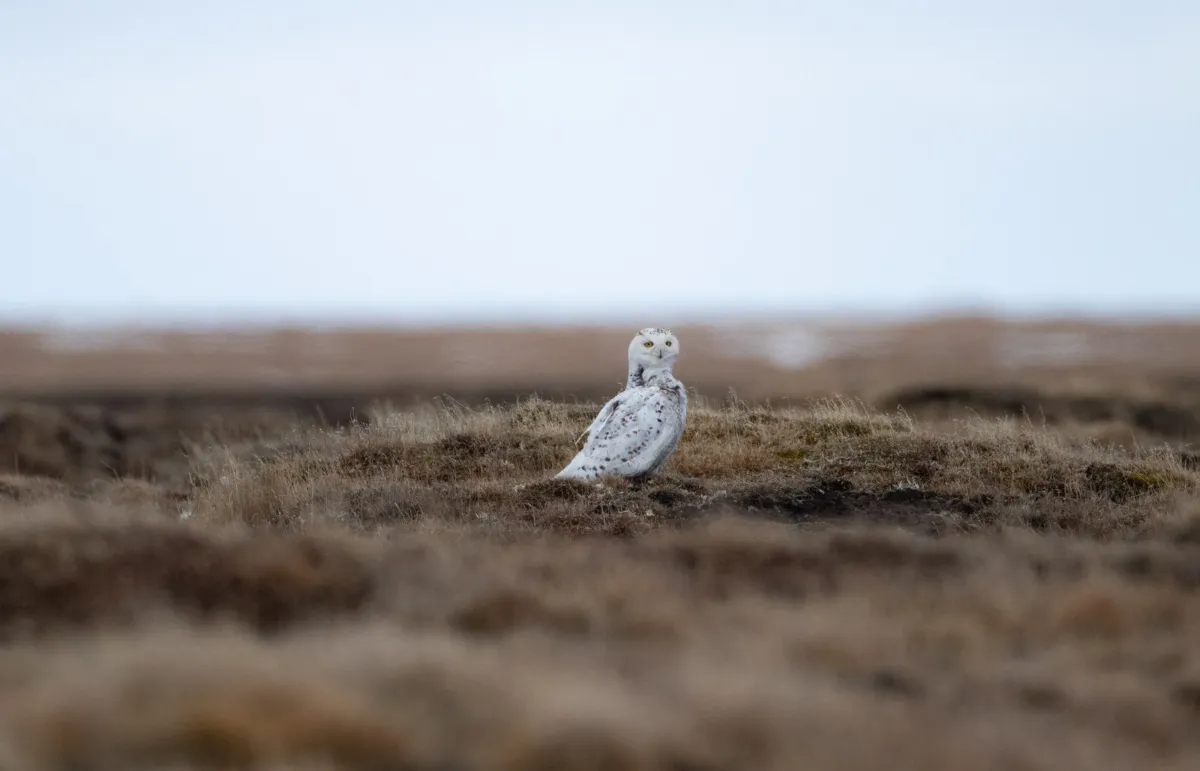
On the Arctic tundra, a Snowy Owl (Bubo scandiacus) can raise chicks in a shallow scrape on the ground and hunt lemmings in broad daylight. Winter takes these owls in different directions. Some stay in the Arctic, including on sea ice, while others turn up in prairie fields or along shorelines farther south. allaboutbirds.org
1. Snowy Owls nest on the ground
A female Snowy Owl scrapes a shallow hollow into bare ground, often on a slight rise where the wind clears away snow. The mound gives the owls a view of the surrounding tundra. Where lemmings are plentiful, pairs can raise larger broods. In lean years, some owls may skip breeding altogether. allaboutbirds.org
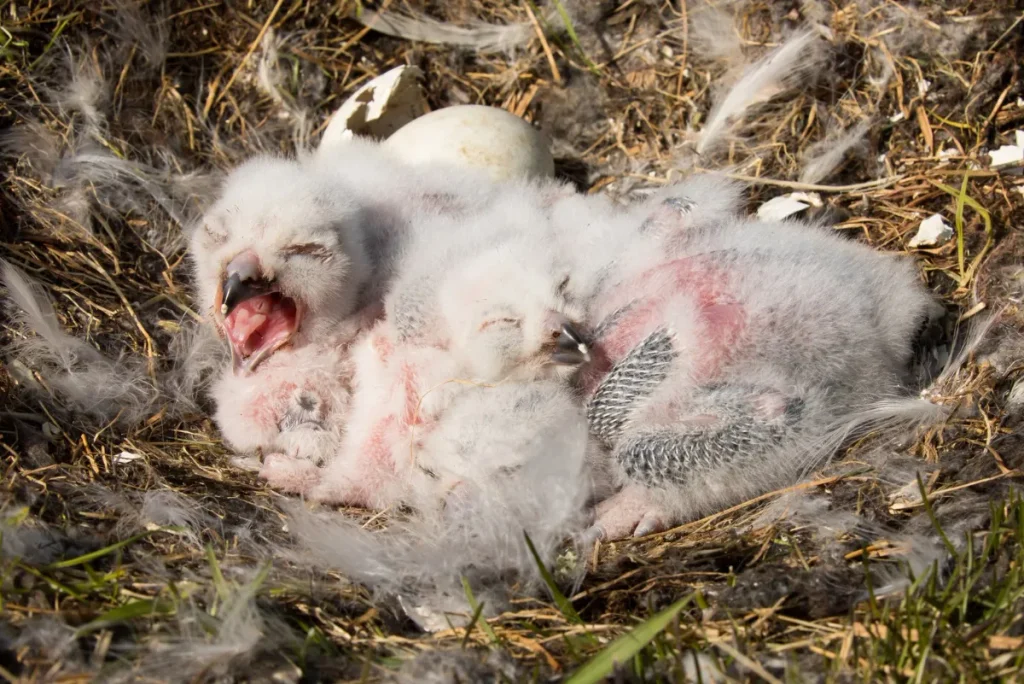
Snowy Owl chicks a few days after hatching in a tundra nest.
2. They hunt lemmings in daylight
During the Arctic summer, the sun can stay above the horizon around the clock. Snowy Owls hunt during those long hours of daylight, often watching from a low mound before swooping down on prey. Lemmings are a major part of their breeding-season diet. The owls can also take voles, ptarmigan, and waterfowl when available. allaboutbirds.org
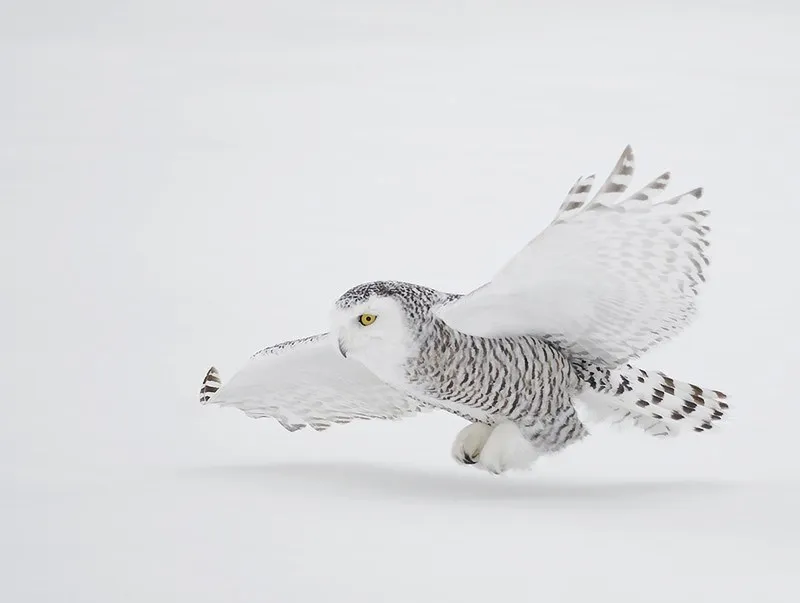
A wild Snowy Owl in flight in Quebec, Canada.
3. Even their toes are feathered
Snowy Owls have a dense layer of down beneath their outer feathers. That insulation extends down the legs and over the toes. Their markings vary with age and sex. Older males often become nearly white, while females and younger birds generally show more dark bars across the body and wings. hww.ca
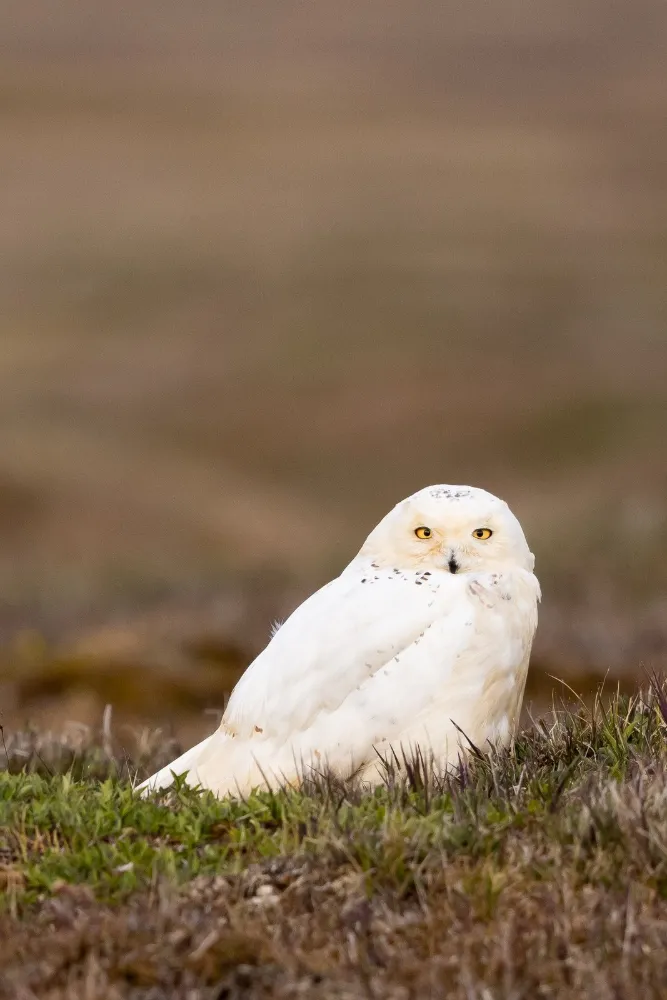
A male Snowy Owl sits on the Arctic tundra in Alaska.
4. Some spend part of winter on sea ice
Researchers fitted adult females breeding on Bylot Island, Canada, with satellite trackers. Several later spent weeks on sea ice. The study recorded up to 101 days of sea-ice use for an individual. The owls often stayed near openings in the ice, where seabirds gather and can provide potential prey. uqar.ca
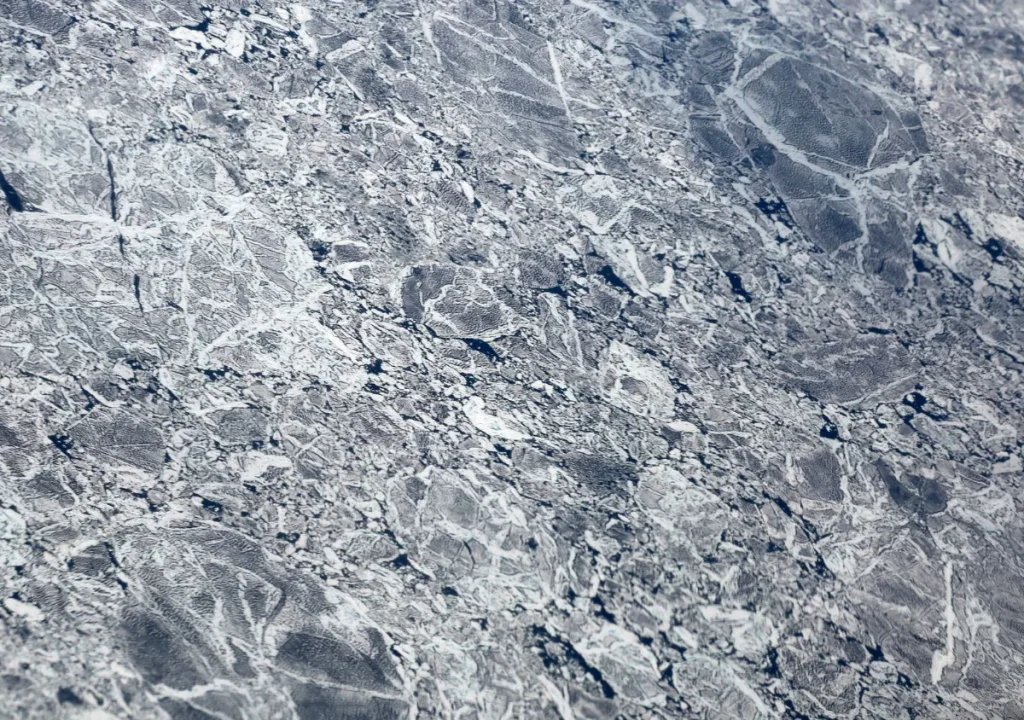
Drift ice and patches of open water in Hudson Strait, Canada.
5. Some winters bring more owls south
Snowy Owls that head south often use open places such as farm fields, dunes, and shorelines. In some winters, unusually large numbers arrive in southern Canada and the northern United States. Birders call this an irruption. One study found that more owls appeared farther south after summers with abundant Arctic prey, supporting the idea that successful breeding sends more young owls into the winter population. allaboutbirds.org
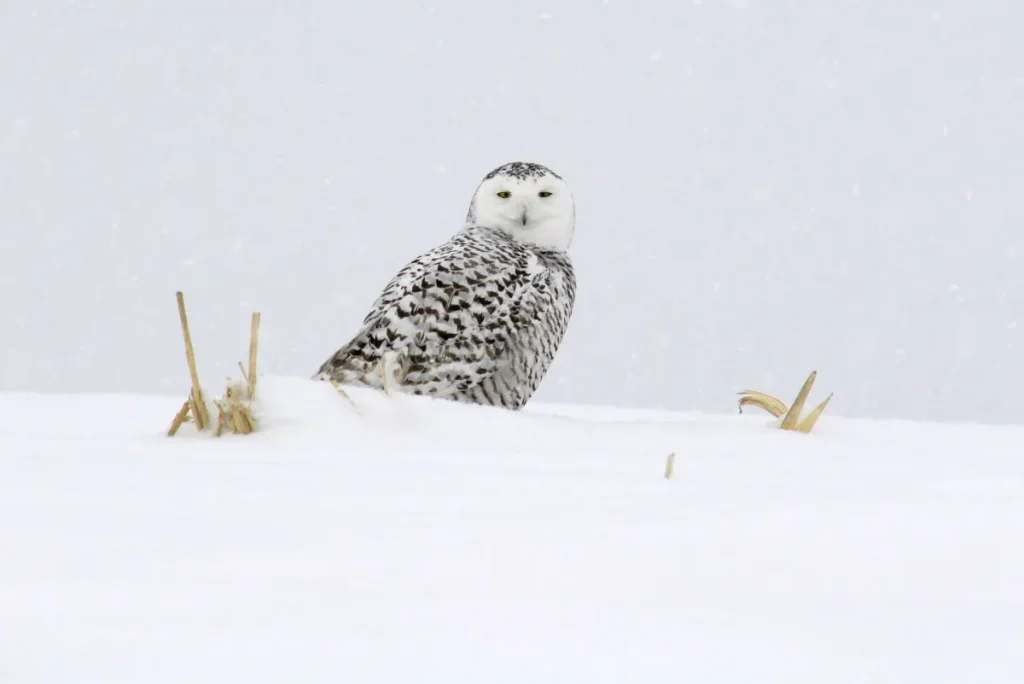
A juvenile Snowy Owl in a snowy field in Quebec, Canada.