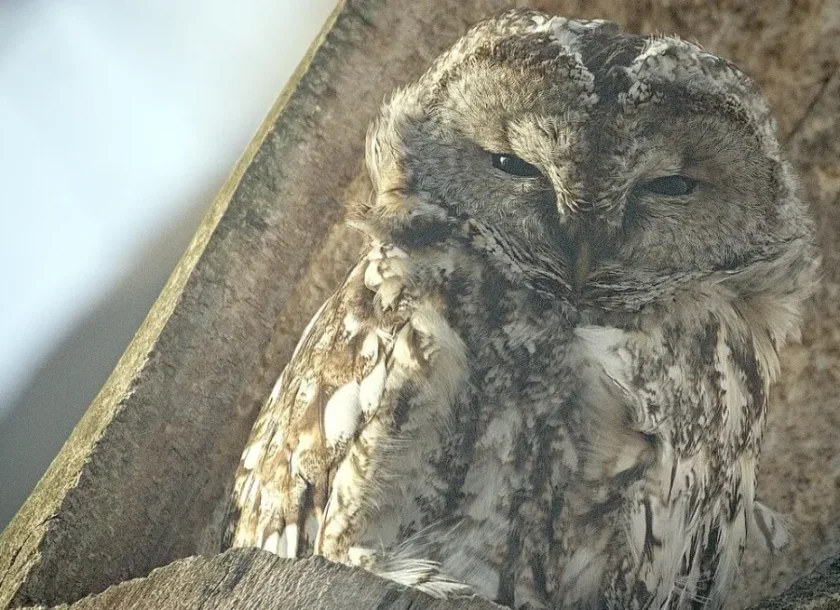
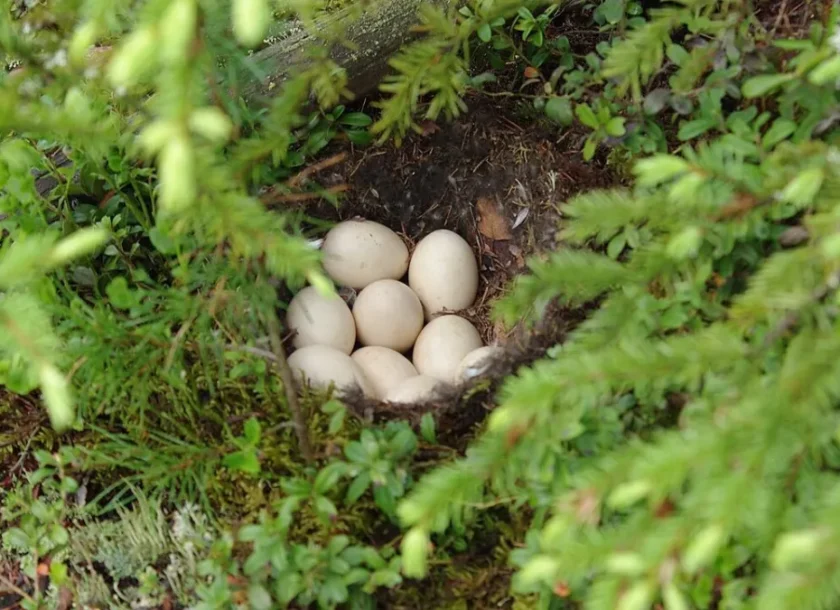
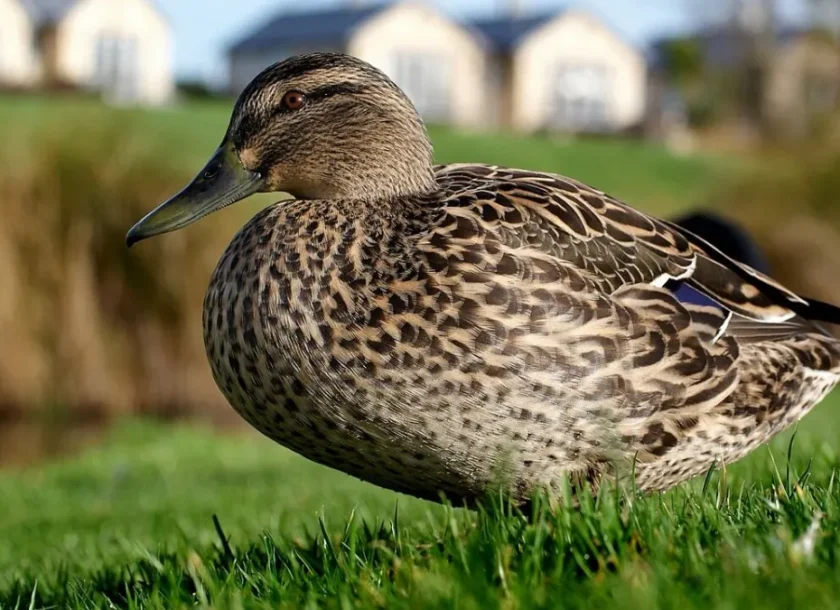
Great horned owls eat mostly mammals and birds. Rabbits, hares, rats, mice, and voles are common prey. These owls can also catch skunks, ducks, and even smaller owls. Which prey they eat most often depends on what they can find nearby. A great horned owl hunting along a marsh may encounter a very different set of prey from one hunting over dry rangeland. allaboutbirds.org
1. Rabbits and hares are common prey
Great horned owls regularly take rabbits and hares. An eastern cottontail is one example of the kind of prey they can encounter near grassy openings. A tree beside an opening gives an owl a perch from which to watch the ground and swoop down when prey comes into range. allaboutbirds.org

An eastern cottontail pauses in the grass.
2. The most common rodent on the menu can vary from nest to nest
Researchers studied great horned owls in southwestern Idaho over 14 breeding seasons. Mammals made up about 89% of the prey items they recorded. Kangaroo rats were the most common prey overall, while montane voles, deer mice, or other small rodents were the most common at some individual sites. The owls’ diets shifted with the habitat around their nests. U.S. Geological Survey
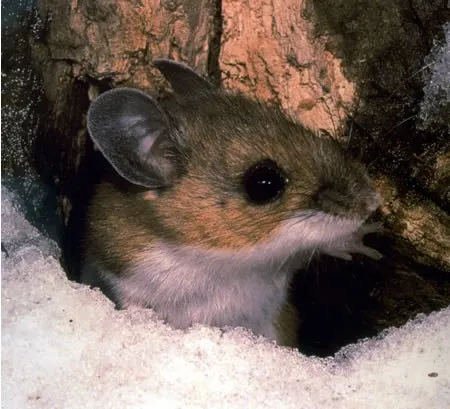
A deer mouse peers out from a sheltered opening.
3. Yes, great horned owls eat skunks
Skunks are documented prey for great horned owls. A striped skunk is much bulkier than a mouse or vole, which gives a sense of the range of mammals these owls can capture. Their diet also includes other medium-sized mammals, such as opossums. Audubon Field Guide

A striped skunk forages in the snow.
4. Waterbirds are on the menu, too
Great horned owls can catch ducks and American coots. A marsh or pond edge brings those birds within reach of an owl hunting nearby. The list of documented bird prey also includes hawks and smaller owls. Snakes, frogs, and insects can turn up in the diet as well. allaboutbirds.org

An American coot shows its pale bill and broad, lobed toes.
5. They hunt mostly at night and sometimes save food for later
A great horned owl often waits on a perch, using sharp hearing and good low-light vision to locate prey before swooping down. In northern areas, it may store uneaten prey during winter. Audubon notes that an owl may even return to a frozen carcass and warm it with its body before feeding again. Audubon Field Guide

A great horned owl flies low over an open field in Canada.
Related reading · Animals That Store Food for Winter
Sources
- Cornell Lab of Ornithology. Great Horned Owl Life History
- National Audubon Society. Great Horned Owl
- Marti, C. D., and M. N. Kochert. 1996. Journal of Field Ornithology. Diet and Trophic Characteristics of Great Horned Owls in Southwestern Idaho