Squirrels bury nuts, American pikas gather piles of plants, and North American beavers sink branches beside their lodges. Birds store food for winter, too. An acorn woodpecker wedges nuts into holes in a tree, while a Canada jay uses sticky saliva to tuck food behind bark.
Biologists call this behavior caching. Some animals spread food across many hiding places. Others build a single stockpile they can return to when snow, ice, or cold weather makes fresh food harder to find.
10 Animals That Store Food for Winter at a Glance
| Animal | What it stores | Where it puts it |
|---|---|---|
| Eastern Gray Squirrel | Acorns, nuts, and seeds | Many small holes in the ground |
| Eurasian Jay | Acorns | Separate hiding places, often in the ground |
| Clark’s Nutcracker | Pine seeds | Small buried caches |
| Black-capped Chickadee | Seeds and other small food items | Separate hiding places, including crevices in trees |
| Canada Jay | Insects, berries, and pieces of meat | Behind bark, under lichens, and among branches |
| Acorn Woodpecker | Acorns | Holes drilled in a granary tree |
| American Red Squirrel | Conifer cones | One or more central piles in many populations |
| Eastern Chipmunk | Seeds and nuts | Underground chambers and smaller caches |
| American Pika | Grasses, leaves, and other plants | Haypiles among mountain rocks |
| North American Beaver | Twigs and branches | Underwater near the lodge |
1. Eastern Gray Squirrel — Burying Nuts One at a Time
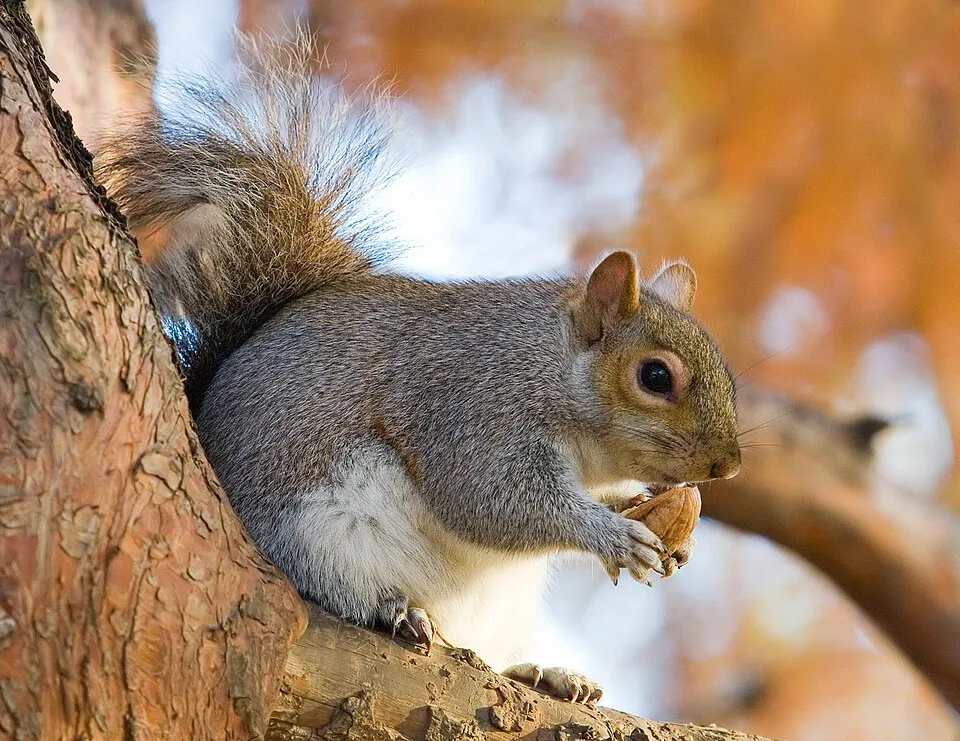
An eastern gray squirrel (Sciurus carolinensis) can spend much of autumn carrying acorns and other nuts away from the trees that produced them. It buries individual items in separate spots. This is called scatter hoarding.
Spreading the food out means a thief that finds one nut gains access to only a small part of the supply. Gray squirrels have even been observed digging and covering empty holes while other squirrels are watching.
2. Eurasian Jay — Carrying Acorns Away From the Oak

A Eurasian jay (Garrulus glandarius) searching for acorns may spend more time on the ground in autumn than you would expect from a woodland bird. It collects acorns and hides them for leaner months, often burying them in the ground.
Some caches go unrecovered. If a buried acorn stays viable and ends up in a suitable spot, it can grow into an oak. The jay’s winter food supply can help move acorns beyond the trees that dropped them.
3. Clark’s Nutcracker — Finding Buried Seeds Under Snow
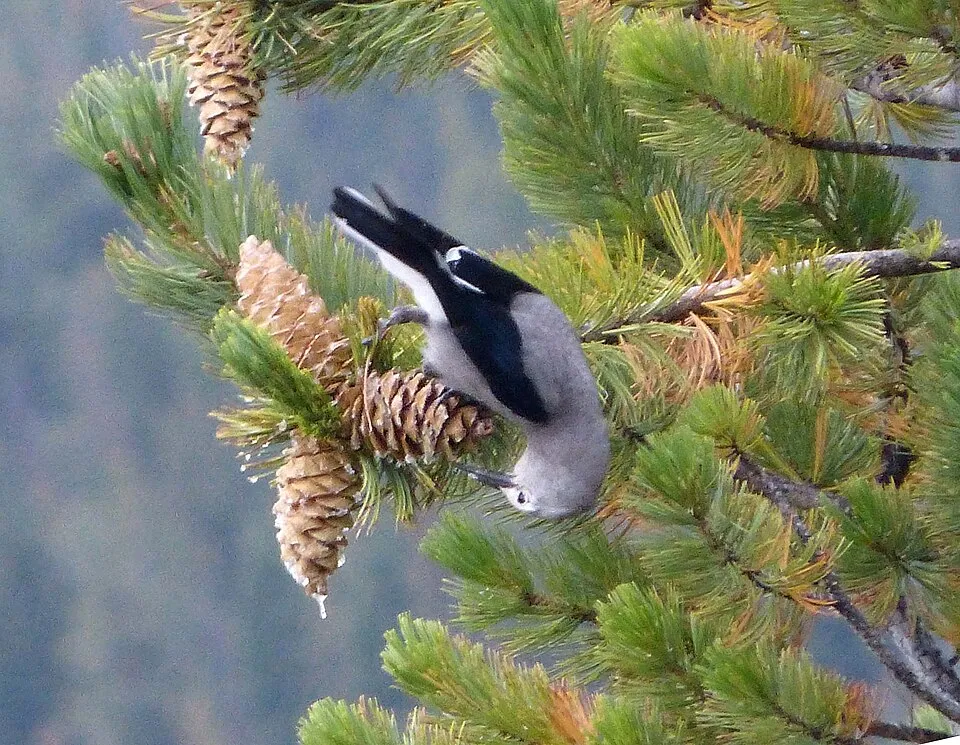
Clark’s nutcracker (Nucifraga columbiana) pulls seeds from pine cones and carries batches in a pouch beneath its tongue. It then divides the seeds among small caches across the landscape.
In winter and spring, the bird can relocate stores by remembering their positions relative to features such as rocks, logs, and trees. A snow-covered patch may look featureless to us, while the surrounding landmarks still give the nutcracker a way to find the seeds beneath it.
4. Black-capped Chickadee — Hiding One Item per Spot

A black-capped chickadee (Poecile atricapillus) may take a seed from a feeder and fly away with it. The bird may open the seed on a nearby branch or tuck it away for later. It stores individual food items in separate hiding places and remembers where it left them.
The stores are small enough to miss even when you know a bird has been caching nearby. If a chickadee repeatedly takes seeds and disappears into the same trees, watch where it goes after leaving the feeder. That is where you may see it stop to handle or hide a seed.
5. Canada Jay — Sticking Food Behind Bark
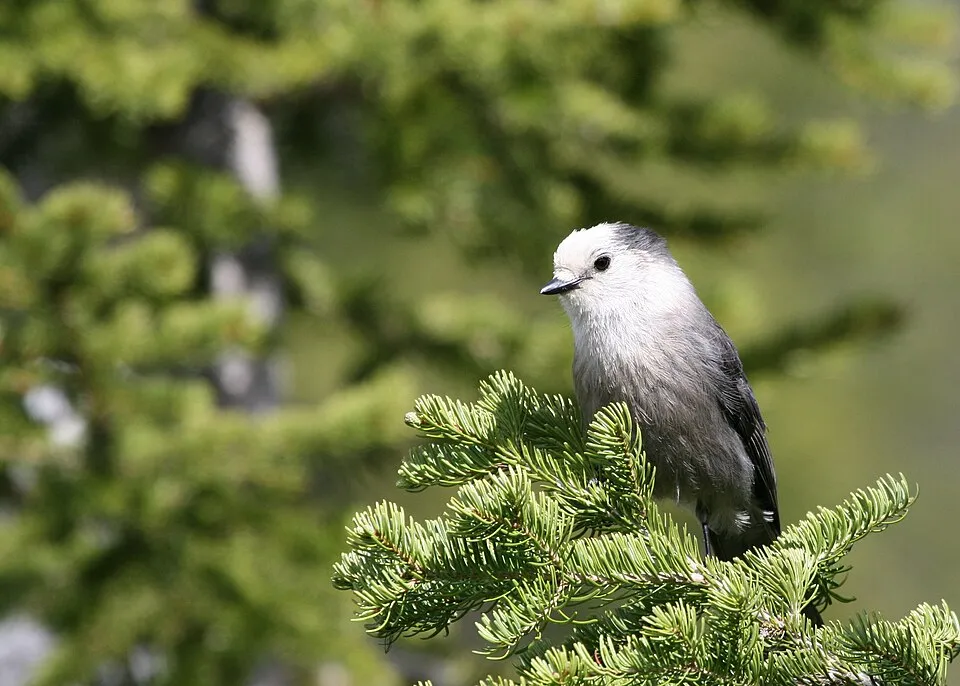
A Canada jay (Perisoreus canadensis) can press food into places where a loose piece would fall. It coats food with sticky saliva and attaches it behind flakes of bark, beneath lichen, or among branches and conifer needles.
Canada jays cache food throughout the year. Keeping some of it off the ground gives them stores in the trees during winter, when snow can cover food on the forest floor. Their caches can include berries, insects, and pieces of meat.
6. Acorn Woodpecker — Turning a Tree Into a Granary

An acorn woodpecker (Melanerpes formicivorus) drills small holes into wood and fits an acorn into each opening. A trunk or limb covered with these holes is called a granary. The acorns sit in the holes like pegs, with part of each nut still visible.
The birds maintain and defend the store as a group. A granary can be reused over multiple generations. The clearest clue is a patch of closely spaced holes with acorns fitted into some of them.
7. American Red Squirrel — Stockpiling Cones in a Midden

Many American red squirrels (Tamiasciurus hudsonicus) gather conifer cones into one or a few central stores called middens. A squirrel can return to the same area, take a cone, and pull it apart to reach the seeds.
Discarded cone scales can accumulate at a frequently used site. A heap of scales beneath a conifer is evidence of feeding. Intact stored cones are a better clue to the food cache itself. Storage habits vary across the species’ range, and some populations also scatter their stores.
8. Eastern Chipmunk — Keeping a Pantry Underground
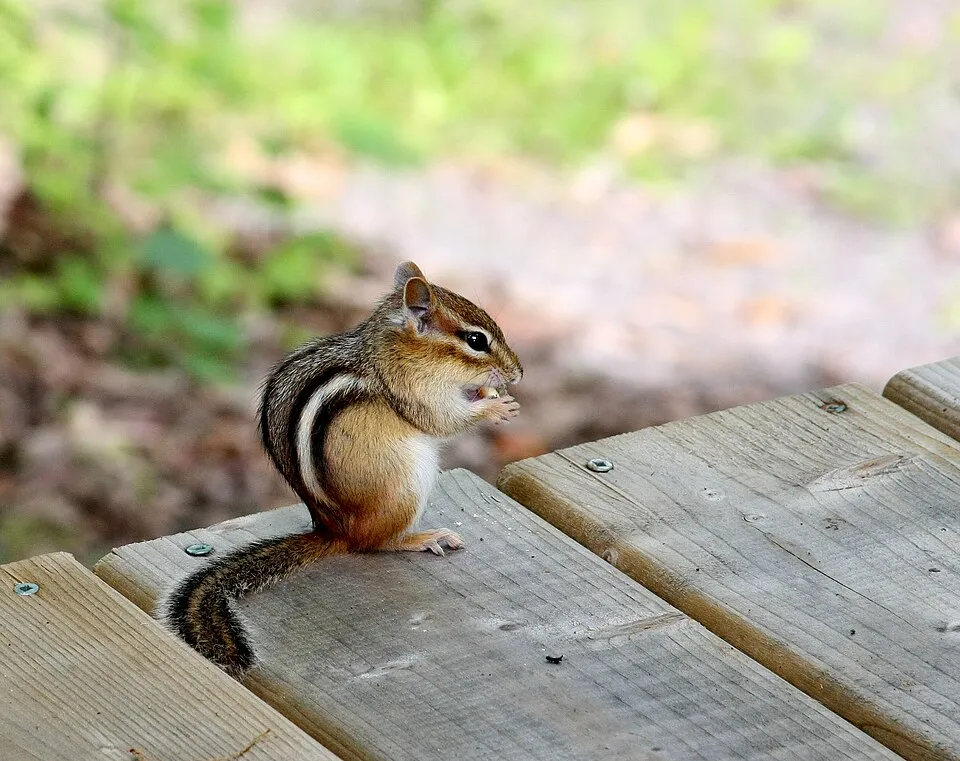
An eastern chipmunk (Tamias striatus) uses expandable cheek pouches to carry seeds and nuts. It can leave food in scattered caches or carry it down to a storage chamber in its burrow. Gathering food becomes especially noticeable in early autumn.
During winter, a chipmunk can spend periods in torpor, a state of reduced activity and metabolism. It wakes to eat from its stored food. A dry chamber underground lets it feed during those waking periods without needing to search outside each time.
9. American Pika — Making Hay Between the Rocks
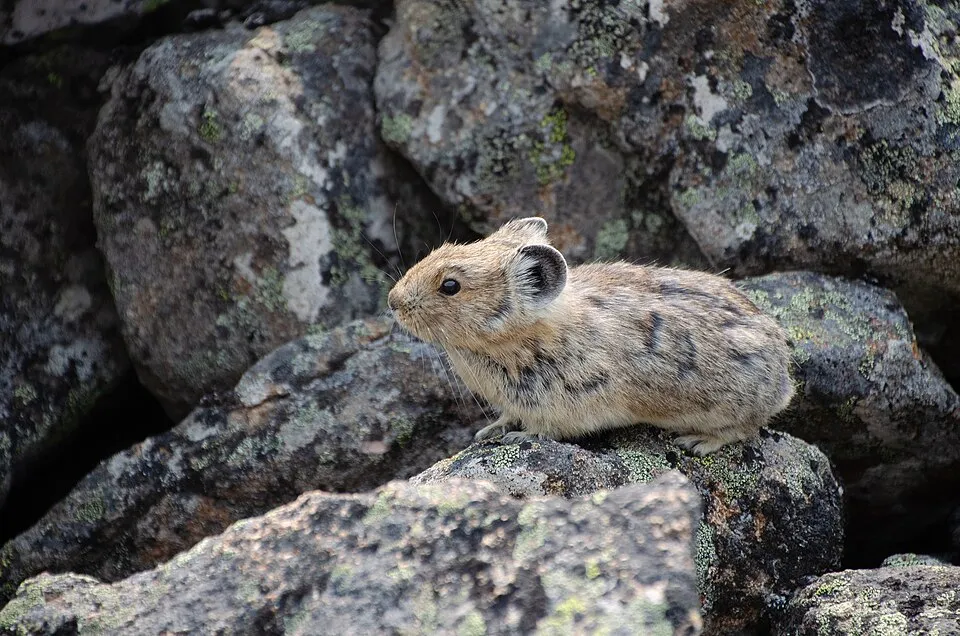
An American pika (Ochotona princeps) collects grasses, ferns, and other plants and gathers them into haypiles among mountain rocks. A pile can range from a few stems to a sizable heap of vegetation.
Pikas remain active through winter and feed on their stored plants when fresh growth is scarce. In a boulder field, a compact pile of cut vegetation tucked into a gap can be a clue to pika activity, especially if you also hear the animal’s sharp call.
10. North American Beaver — Sinking a Supply of Branches
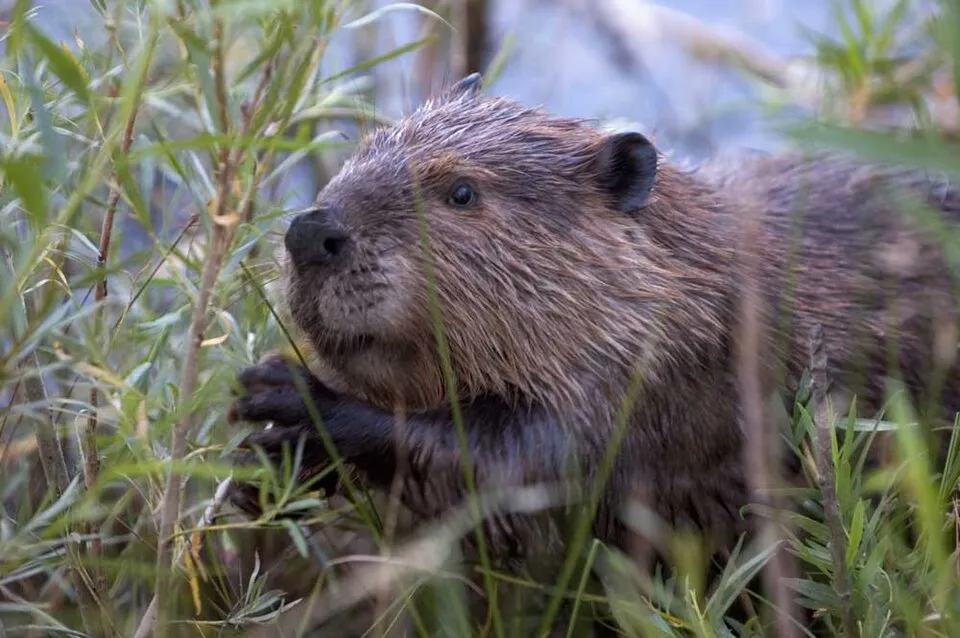
A North American beaver (Castor canadensis) can build an underwater food cache near its lodge. In places where ponds freeze, beavers collect branches in autumn and anchor the supply so they can reach it after ice forms.
The branches provide bark and twigs through winter, when many softer plants are unavailable. Beavers can swim from an underwater lodge entrance to the cache. A cluster of partly submerged branches beside a lodge in autumn may be part of this winter store.
How to Recognize an Animal Food Cache
| What you see | Possible animal | What to look for |
|---|---|---|
| Acorns fitted into rows or clusters of holes in wood | Acorn Woodpecker | Several nuts wedged into separate holes |
| Intact cones near a heap of stripped cone scales | American Red Squirrel | Stored cones alongside debris from earlier meals |
| A pile of cut grasses or leaves between mountain rocks | American Pika | Vegetation gathered into one sheltered gap |
| A cluster of submerged branches near a beaver lodge | North American Beaver | A concentrated supply beside the lodge in autumn |
A single clue gives you a starting point. Location, season, and nearby signs help you judge who made the store. A lone buried acorn, for example, could have been left by a jay or a squirrel.
Frequently Asked Questions
What is the difference between scatter hoarding and larder hoarding?
Scatter hoarding means dividing food among many small caches, as gray squirrels and Clark’s nutcrackers do. Larder hoarding means concentrating a supply in one or a few places, such as a red squirrel’s cone midden or a chipmunk’s underground pantry.
Do birds store food for winter?
Yes. Clark’s nutcrackers bury pine seeds, acorn woodpeckers fit acorns into holes in wood, and Canada jays attach food to sheltered spots in trees. Other birds use small caches for food they may retrieve sooner.
Which animal stores food underwater for winter?
North American beavers can store branches underwater near their lodges. Where the surface freezes, the beavers can still reach the supply by swimming beneath the ice.
For more examples of how animals use burrows and underground chambers, see 15 Animals That Live Underground.
Sources and Further Reading
- British Trust for Ornithology — How and why animals cache food.
- Woodland Trust — Eastern gray squirrel and Eurasian jay.
- Cornell Lab of Ornithology — Clark’s nutcracker, black-capped chickadee, Canada jay, and acorn woodpecker granaries.
- Animal Diversity Web — American red squirrel and eastern chipmunk.
- U.S. National Park Service — American pika haypiles at Mount Rainier and beaver food caches in Kobuk Valley.