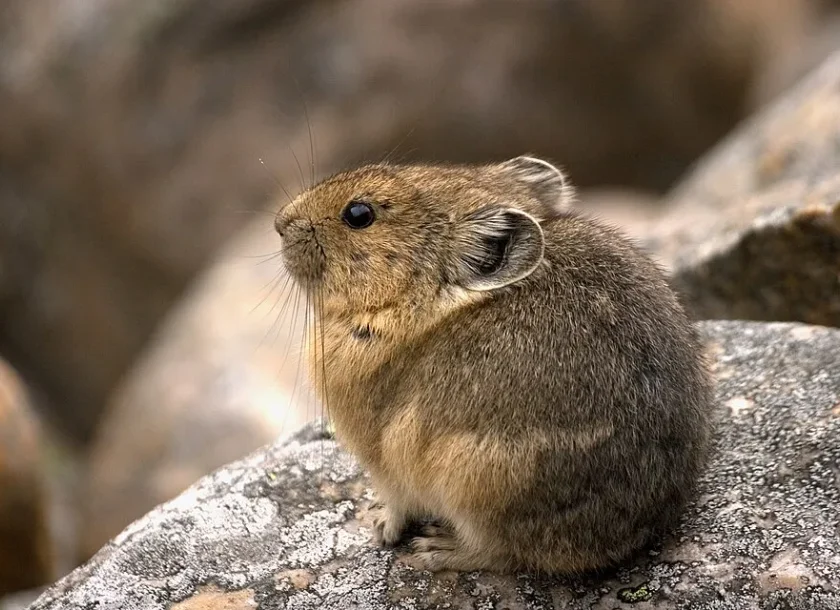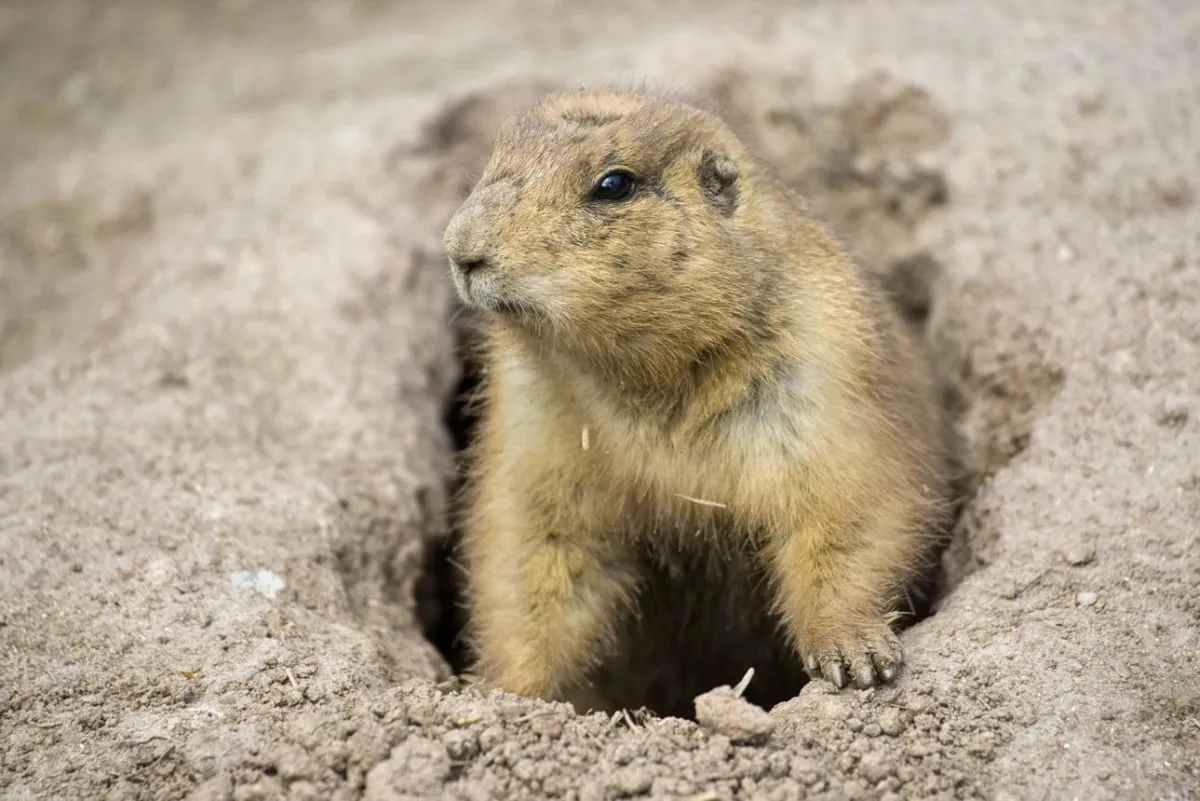
Some animals spend nearly their entire lives beneath the soil. Others dig an underground nursery, escape the heat in a burrow, or borrow a tunnel made by another species. From Africa’s naked mole-rats to seabirds nesting in grassy cliffs, these 15 animals show just how many purposes an underground home can serve.
There is an important distinction: living underground does not always mean staying there all year. This guide separates dedicated underground dwellers from animals that return to the surface to feed, and from species that use burrows mainly for nesting or raising young.
At a Glance: Which Animals Really Live Underground?
| Animal | Typical use of an underground home |
| Naked mole-rat | Nearly entire life; feeding, nesting and traveling |
| Black-tailed prairie dog | Daily shelter and social colony |
| Common wombat | Daytime resting and shelter |
| Meerkat | Group sleeping, refuge and raising young |
| Aardvark | Resting and raising young |
| European rabbit | Communal home and nursery |
| European badger | Communal den, called a sett |
| Groundhog | Shelter, winter hibernation and raising young |
| Nine-banded armadillo | Resting, temperature refuge and nesting |
| Red fox | Denning, especially when raising pups |
| Burrowing owl | Breeding, roosting and refuge |
| Atlantic puffin | Breeding burrow; otherwise mainly at sea |
| Mojave desert tortoise | Protection from temperature extremes |
| Merriam’s kangaroo rat | Daytime desert shelter and food storage |
| Belted kingfisher | Nest tunnel in a riverbank or other steep bank |
15 Animals That Use Underground Homes
1. Naked Mole-Rat — An Almost Entirely Underground Life
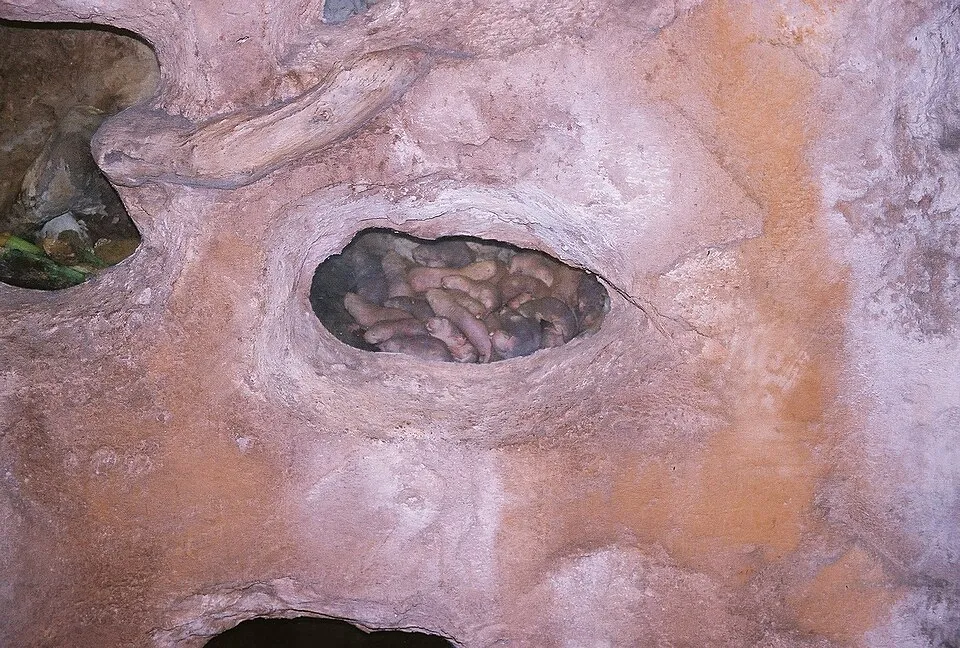
Scientific name: Heterocephalus glaber | Region: East Africa
Naked mole-rats are among the clearest examples of truly subterranean mammals. They move through branching tunnel systems, search for underground tubers, and raise their young away from daylight. Their protruding front teeth are powerful digging tools, while their lips close behind the incisors to keep loose earth out of their mouths.
They also live in remarkable colonies with a breeding queen and workers. Unlike many animals on this list, a naked mole-rat does not regularly emerge to look for food above ground. Its entire world is largely beneath the surface.
2. Black-Tailed Prairie Dog — An Underground Neighborhood
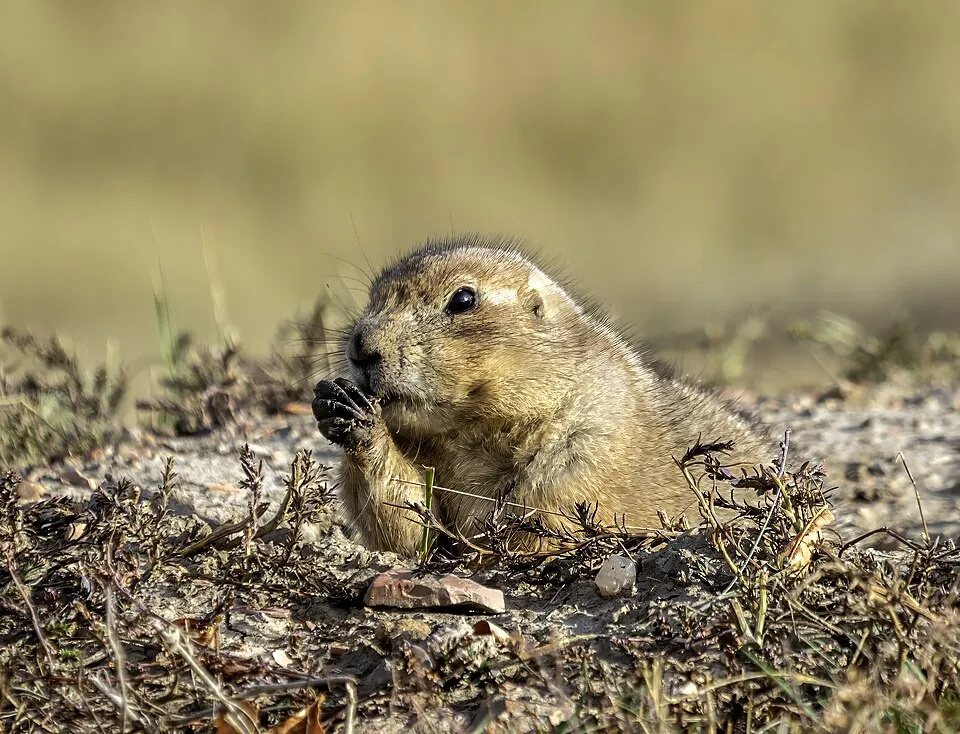
Scientific name: Cynomys ludovicianus | Region: North American grasslands
Prairie dogs dig networks of tunnels with chambers for resting and caring for young. Their above-ground mounds help mark entrances and provide vantage points from which they watch for danger. Colonies can form extensive communities, often called prairie dog towns.
These burrows are important beyond the prairie dogs themselves. Other animals, including burrowing owls, can use the excavated tunnels. That makes prairie dogs more than ordinary occupants: their engineering changes the habitat available to neighboring species.
3. Common Wombat — A Powerful Australian Excavator
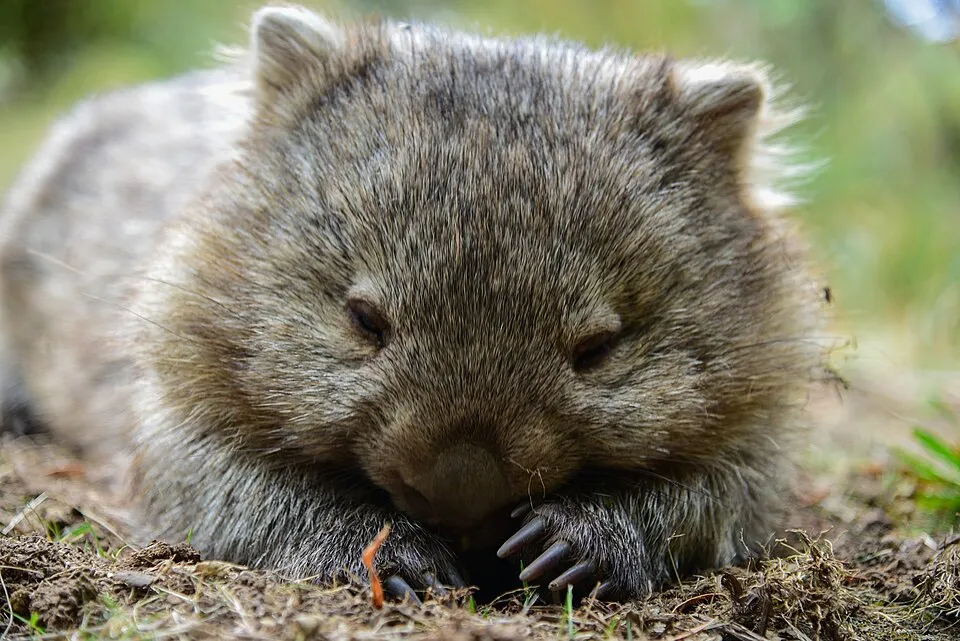
Scientific name: Vombatus ursinus | Region: Southeastern Australia and Tasmania
With a compact body, sturdy legs and strong claws, the common wombat is built to dig. It creates burrows in suitable soils and may spend much of the day resting underground, emerging in cooler hours to graze on grasses and other plants.
Unlike highly social prairie dogs, common wombats are generally solitary. A burrow may have resting spaces lined with vegetation, and individual animals can use several burrows within their home range.
4. Meerkat — A Group Home With Lookouts
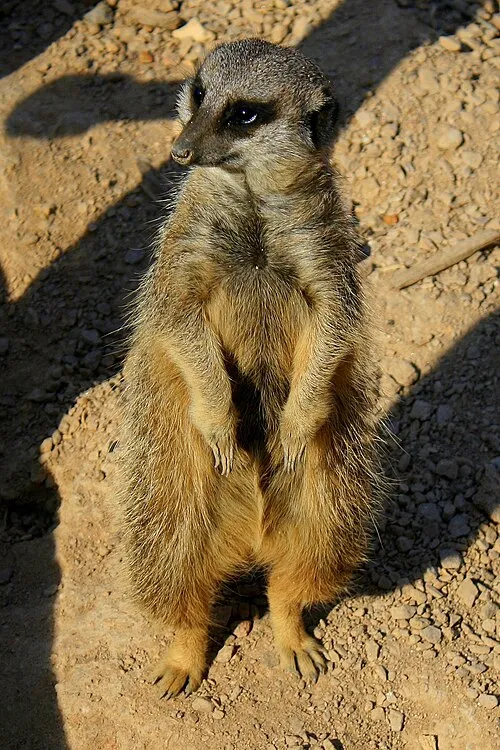
Scientific name: Suricata suricatta | Region: Southern Africa
Meerkats live in social groups and retreat to underground burrow systems to sleep, shelter and raise pups. Their strong foreclaws help them dig, but their survival depends on cooperation above ground too. While some group members forage, a sentinel may scan the surrounding landscape for predators.
The striking contrast is what makes meerkats memorable: they spend part of their lives below ground, yet their most recognizable behavior happens standing upright in the open.
5. Aardvark — A Nighttime Digger
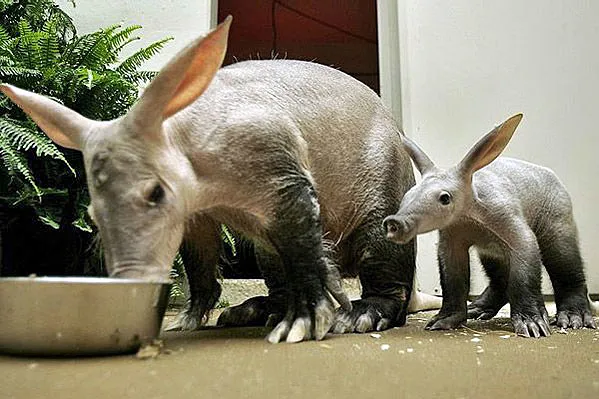
Scientific name: Orycteropus afer | Region: Sub-Saharan Africa
Aardvarks use powerful claws to dig underground resting shelters and to break into termite nests while feeding. They usually forage at night, relying heavily on ants and termites. A mother gives birth in a burrow where her young remain protected during their earliest weeks.
An aardvark’s excavations can also become valuable shelters for other wildlife after the original occupant moves on. The animal’s influence therefore extends well beyond its own den.
6. European Rabbit — The Social Warren Builder
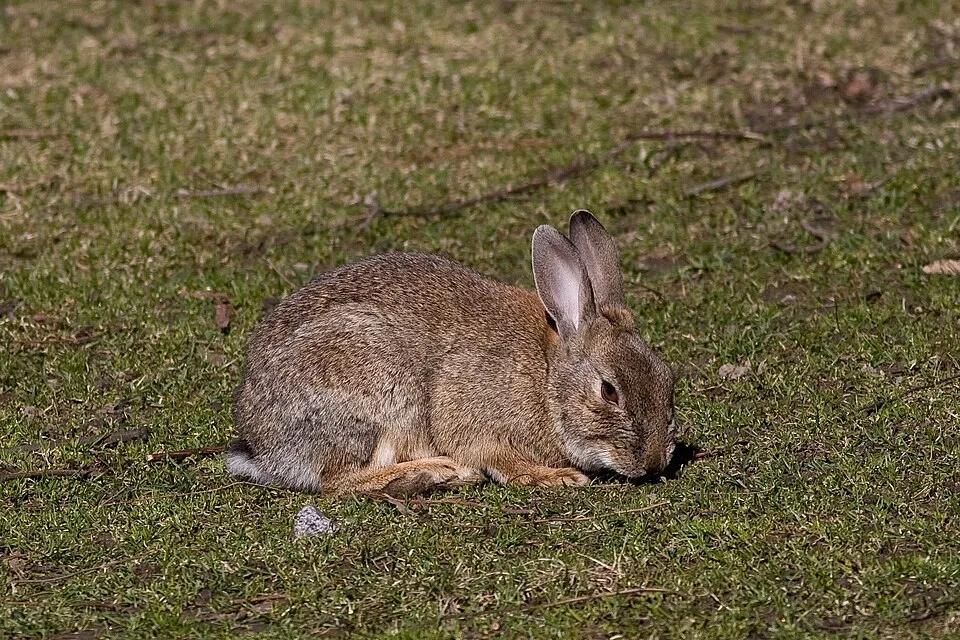
Scientific name: Oryctolagus cuniculus | Region: Native to southwestern Europe; introduced widely
Wild European rabbits often live in interconnected burrow systems known as warrens, particularly where soil conditions allow easy digging. A warren offers multiple entrances, places to escape predators and protected areas for young rabbits.
Not every rabbit species lives this way. The European rabbit is a useful example because it shows how one group of animals can transform a patch of ground into a shared underground home.
7. European Badger — Master of the Sett
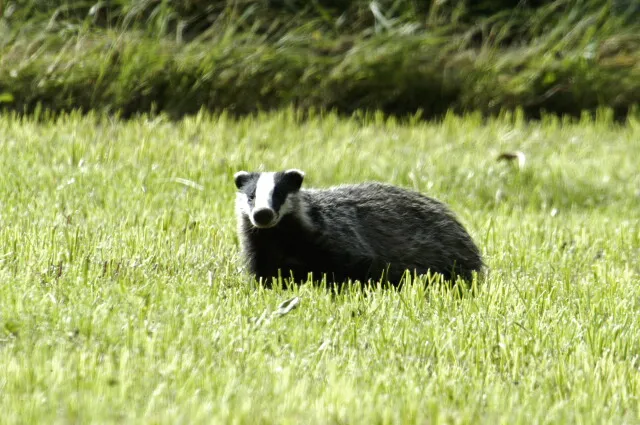
Scientific name: Meles meles | Region: Europe and parts of western Asia
European badgers build elaborate dens called setts. A main sett may contain multiple entrances and chambers, and badgers can carry dry grass or other vegetation inside as bedding. In areas where badgers live socially, several animals may use the same system.
Setts can be maintained and used over long periods. That makes the badger’s den more than a temporary sleeping spot: it is a central feature of the animal’s territory.
8. Groundhog — Two Types of Underground Den
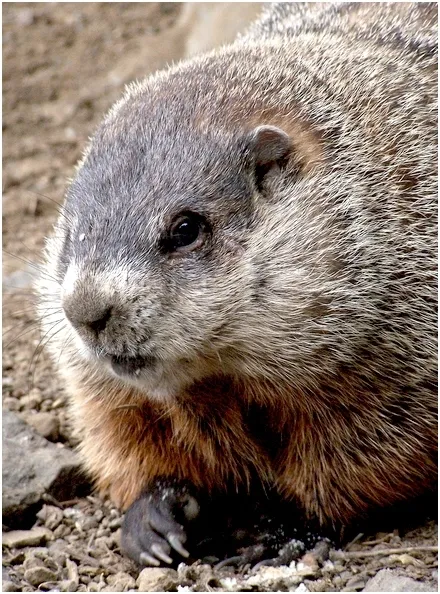
Scientific name: Marmota monax | Region: North America
Groundhogs, also called woodchucks, dig burrows with entrances, chambers and escape routes. They may use different dens in summer and winter. Underground shelters help them raise their young and provide protection during periods of inactivity.
The groundhog’s connection to winter makes its burrow especially important. Rather than treating all underground animals as constant diggers, it is useful to recognize that some species need a protected space for seasonal hibernation.
9. Nine-Banded Armadillo — Several Dens, One Territory
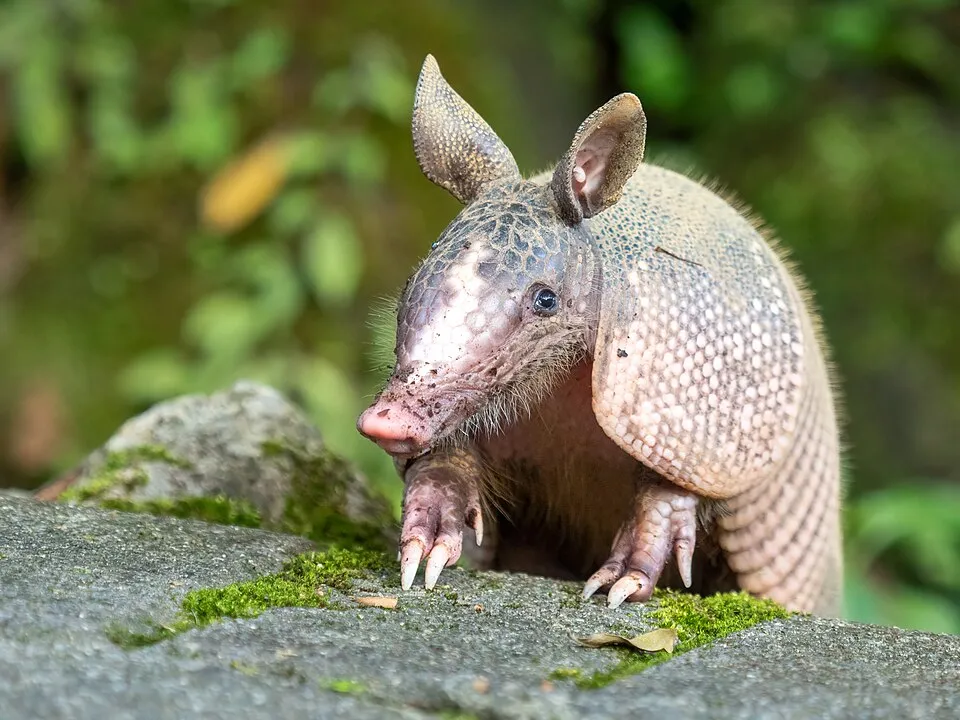
Scientific name: Dasypus novemcinctus | Region: The Americas
This armored mammal digs burrows for shelter and resting. It may maintain several dens within its home range, rather than relying on a single tunnel. Its burrows provide refuge from unfavorable weather and safe places for young.
The nine-banded armadillo is often seen above ground searching through leaf litter for invertebrates. Like a wombat, it is an accomplished digger without being a permanently subterranean species.
10. Red Fox — An Underground Nursery
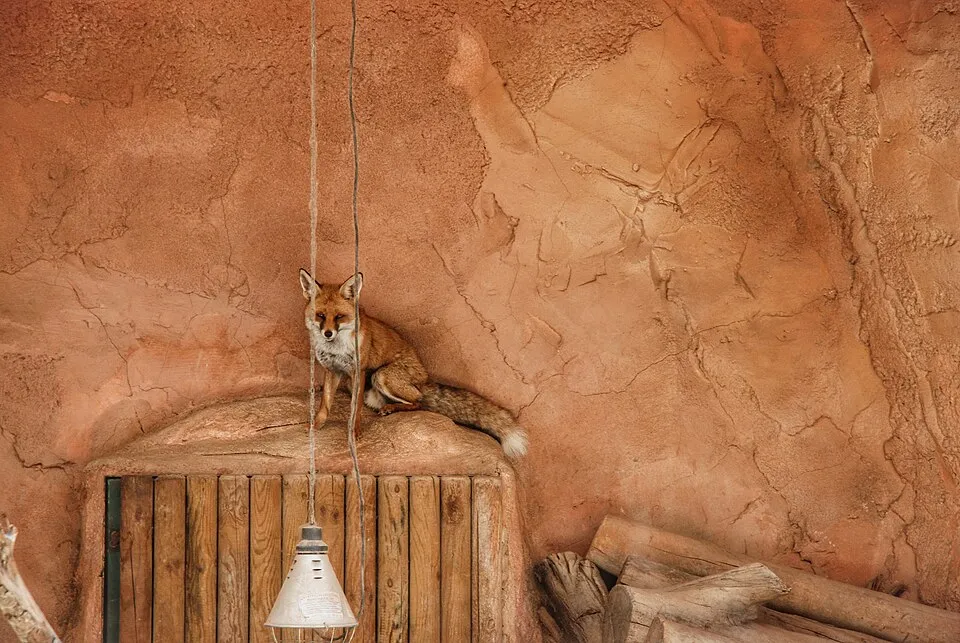
Scientific name: Vulpes vulpes | Region: Widespread across the Northern Hemisphere and introduced elsewhere
A red fox is not an underground specialist. It hunts and travels mainly on the surface, but burrows are important when it raises pups. Foxes may excavate a den or enlarge an existing burrow made by another animal.
Young foxes stay in and around the den during their first weeks. This is a good reminder that a species can belong on a list of burrow users without spending most of its adult life underground.
11. Burrowing Owl — The Owl That Uses Mammal Tunnels
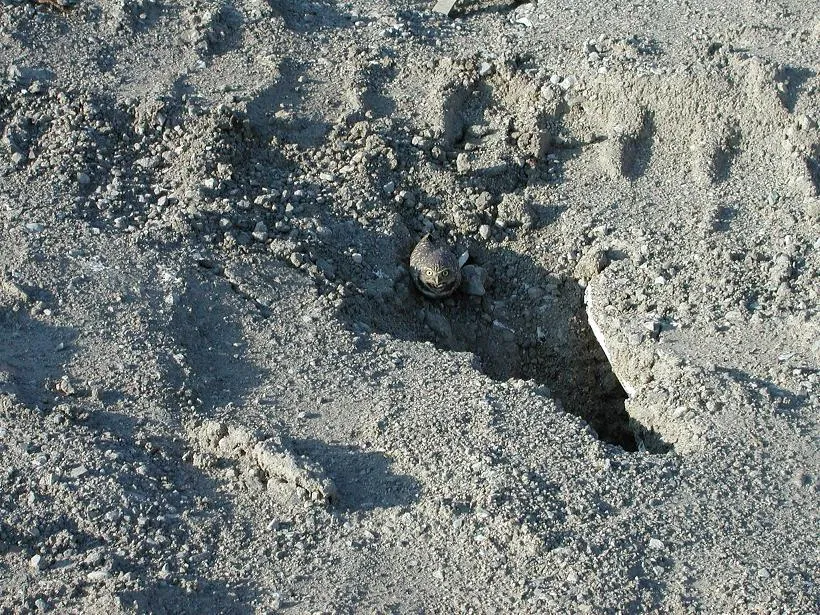
Scientific name: Athene cunicularia | Region: Open habitats in the Americas
Most people associate owls with trees, but burrowing owls nest in underground tunnels. In much of their range, they use burrows excavated by prairie dogs, ground squirrels, tortoises and other animals. Some populations also dig or modify their own.
They still spend substantial time above ground, hunting insects and small vertebrates. The key story is dependence on underground nesting space—not a permanent hidden life.
12. Atlantic Puffin — A Seabird With a Burrow Nest
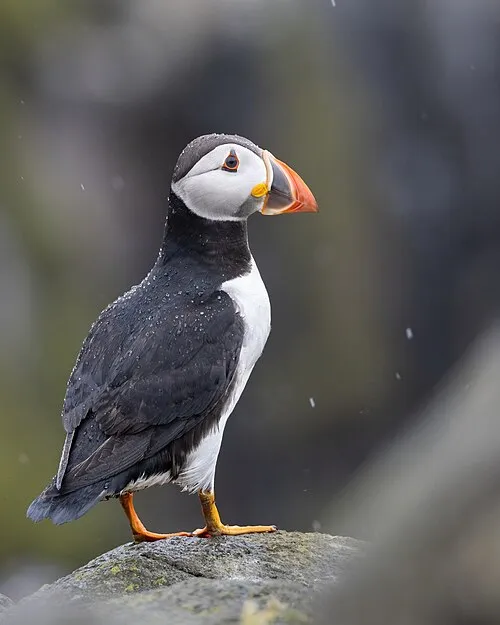
Scientific name: Fratercula arctica | Region: North Atlantic
Atlantic puffins spend much of the year at sea, but during breeding season they return to coastal colonies and nest in soil burrows, rocky crevices or sheltered gaps. When soil permits, a pair can dig using its bill and feet.
The burrow protects an egg and growing chick on a crowded island. A puffin is therefore an underground nester, not an animal that lives beneath the ground throughout the year.
13. Mojave Desert Tortoise — Shelter From Extreme Heat
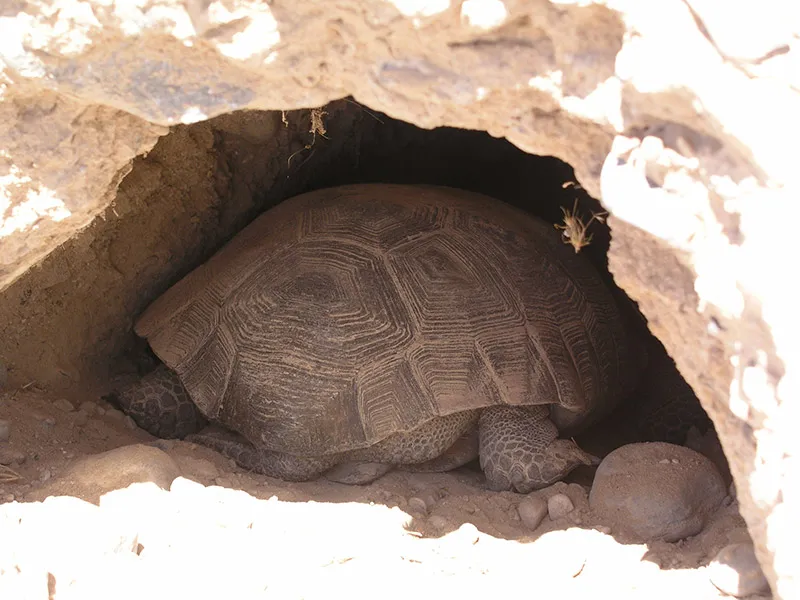
Scientific name: Gopherus agassizii | Region: Mojave Desert
Burrows are essential shelters for Mojave desert tortoises. Desert temperatures vary sharply, but the underground environment can provide protection from intense daytime heat and cold conditions. Tortoises may use more than one shelter depending on the season and local habitat.
Because the tortoise is an ectotherm, retreating below ground is an important part of managing exposure to environmental temperatures—not simply a place to sleep.
14. Merriam’s Kangaroo Rat — Cool Refuge in Hot Sand
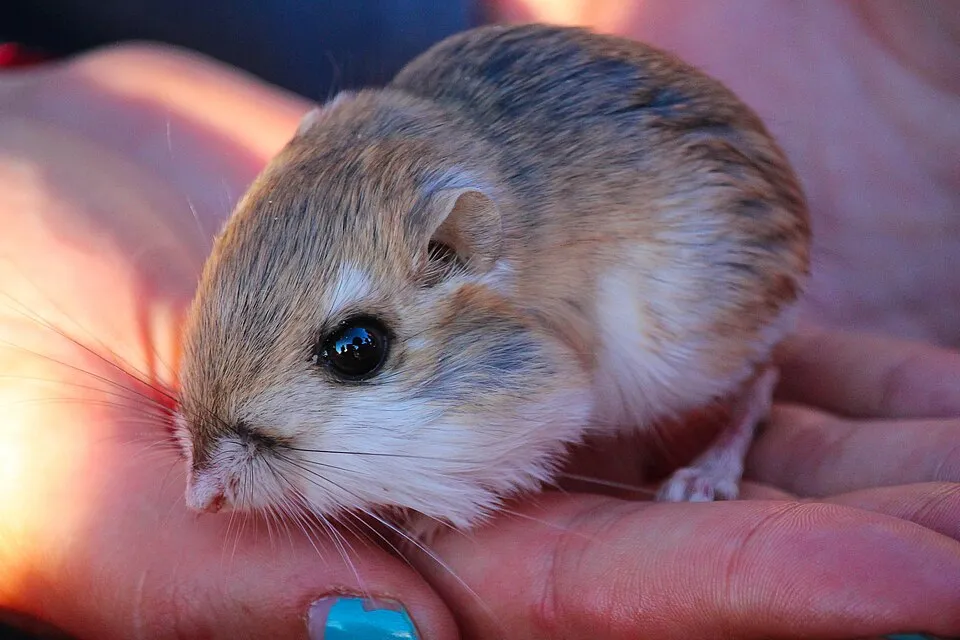
Scientific name: Dipodomys merriami | Region: Southwestern North America
Kangaroo rats are desert rodents that move with powerful hops on their hind legs. Merriam’s kangaroo rat uses underground burrows as daytime shelter while it forages mostly at night. Keeping a burrow entrance plugged with sand can help preserve a cooler, more humid space below.
Its underground home works together with specialized water-saving physiology, allowing the animal to thrive in places where surface conditions can be harsh.
15. Belted Kingfisher — A Nest Dug Into a Bank
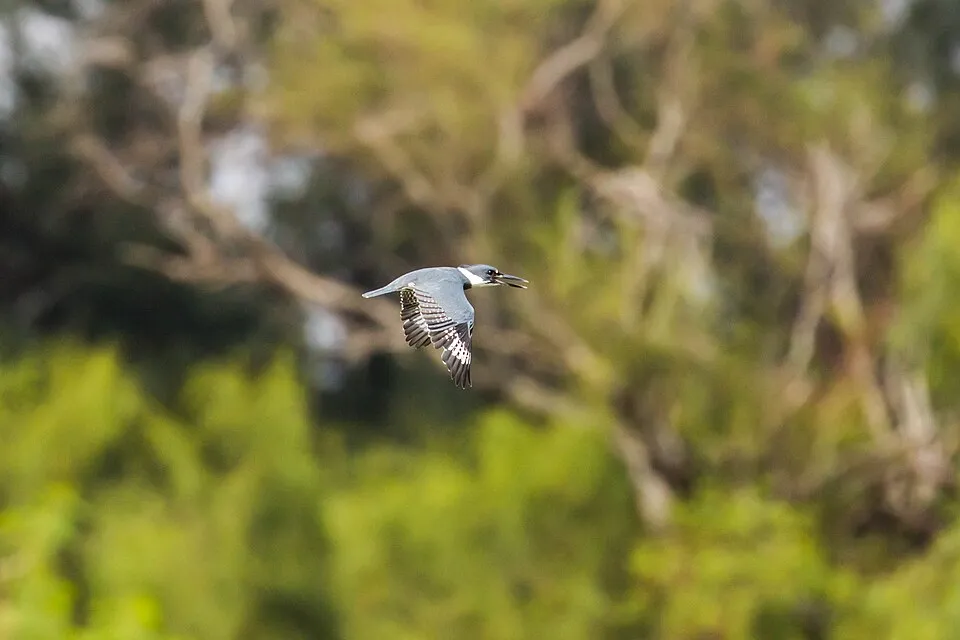
Scientific name: Megaceryle alcyon | Region: North America
The belted kingfisher fishes along rivers, lakes and coasts, but nests in a horizontal tunnel dug into a steep earthen bank. Both adults help excavate the passage leading to a protected chamber where eggs are laid.
Unlike a mole-rat, the kingfisher never treats the tunnel as its permanent world. It is an impressive example of a bird using underground architecture for one specific stage of its life cycle.
Why Do So Many Animals Dig Burrows?
Underground homes solve different problems for different species. A burrow can help an animal avoid predators, buffer extreme temperatures, protect offspring, store food or build a stable social home. The advantages depend on the species, the local soil and the surrounding habitat.
Burrows can also become important to other animals. Prairie dog tunnels offer nesting opportunities for burrowing owls, while abandoned dens provide places for different species to hide. Underground habitats are therefore connected parts of an ecosystem—not just holes in the ground.
Frequently Asked Questions
Which animal lives underground almost all the time?
The naked mole-rat is one of the strongest examples on this list. It finds food, moves between chambers and raises young within extensive tunnel systems.
Do all burrowing animals dig their own tunnels?
No. Prairie dogs, wombats and badgers are major excavators, but burrowing owls often occupy tunnels created by mammals. Red foxes can also enlarge or reuse existing dens.
Are puffins really underground animals?
Only during part of their life cycle. Atlantic puffins spend much of the year at sea and use burrows or protected crevices for nesting during the breeding season.
Why is underground shelter useful in deserts?
The soil offers a more stable environment than the exposed surface. Desert tortoises and kangaroo rats use burrows to reduce exposure to extreme temperatures and other harsh conditions.
Sources and Further Reading
- Smithsonian National Zoo: Naked Mole-Rat
- National Geographic: Prairie Dogs
- Animal Diversity Web: Common Wombat
- Smithsonian National Zoo: Meerkat
- Animal Diversity Web: Aardvark
- Animal Diversity Web: European Rabbit
- Animal Diversity Web: European Badger
- Animal Diversity Web: Groundhog
- Animal Diversity Web: Nine-Banded Armadillo
- Animal Diversity Web: Red Fox
- Cornell Lab: Burrowing Owl
- Cornell Lab: Atlantic Puffin
- National Park Service: Kangaroo Rats
- National Park Service: Desert Tortoise in Burrow
- Cornell Bird Academy: Burrow Nests