A panther chameleon can become dramatically brighter during a social encounter. An octopus can redraw its skin pattern in moments. A snowshoe hare turns white for winter—but only after growing a new coat. These are all examples of animal color change, yet they happen through very different biological processes.
Below are 15 real animals that can change color. Some shift rapidly to communicate or hide; others take days or weeks to alter their appearance. Understanding the difference makes these transformations even more interesting.
What Does It Mean When an Animal Changes Color?
Not every color-changing animal has the same ability. Some rearrange pigment or light-reflecting structures in existing skin. Others slowly alter pigment concentrations, or molt into a new coat or set of feathers. Those differences affect both how quickly an animal changes and why it does so.
- Fast skin displays: chameleons, anoles, cuttlefish, octopuses, squid, and some fish can change visible colors or patterns relatively quickly.
- Slower changes: some frogs and flower-dwelling spiders adjust colors over days or longer; not every individual of a species necessarily has the same ability.
- Seasonal camouflage: hares, foxes, stoats, and ptarmigan typically replace fur or feathers over weeks, not seconds.
15 Animals That Change Color
1. Panther Chameleon — Colors for Communication
Scientific name: Furcifer pardalis | Type of change: Seconds to minutes

The panther chameleon of Madagascar is famous for vibrant shades of green, blue, yellow, orange, and red. But it does not simply turn any color to match any background. Some of its most dramatic displays happen during encounters with rivals or potential mates.
Research on adult male panther chameleons found that a layer of light-reflecting cells called iridophores contains tiny guanine crystals. Changing the distance between these crystals changes which wavelengths of light the skin reflects. Pigments elsewhere in the skin contribute to the final colors. The result is an impressive visual signal built from both structure and pigment.
Look for: a rapid shift from a relatively subdued pattern to brighter yellows, oranges, or contrasting patches during an interaction.
2. Green Anole — From Bright Green to Brown
Scientific name: Anolis carolinensis | Type of change: Minutes

The green anole is a familiar lizard in the southeastern United States. Despite its name, it may appear leaf green one moment and brown or tan at another. Its changes are much narrower than a chameleon’s rainbow-like displays.
Temperature, light, stress, and social interactions can all influence an anole’s appearance. A brown anole is not automatically sick, and a green anole turning brown does not mean it has transformed into the separate species called the brown anole. The two are easily confused, especially around gardens and fences.
Look for: the same individual shifting between green and brown as its conditions change.
3. Gray Treefrog — A Frog That Matches Bark and Leaves
Scientific name: Dryophytes versicolor | Type of change: Variable; often minutes to hours
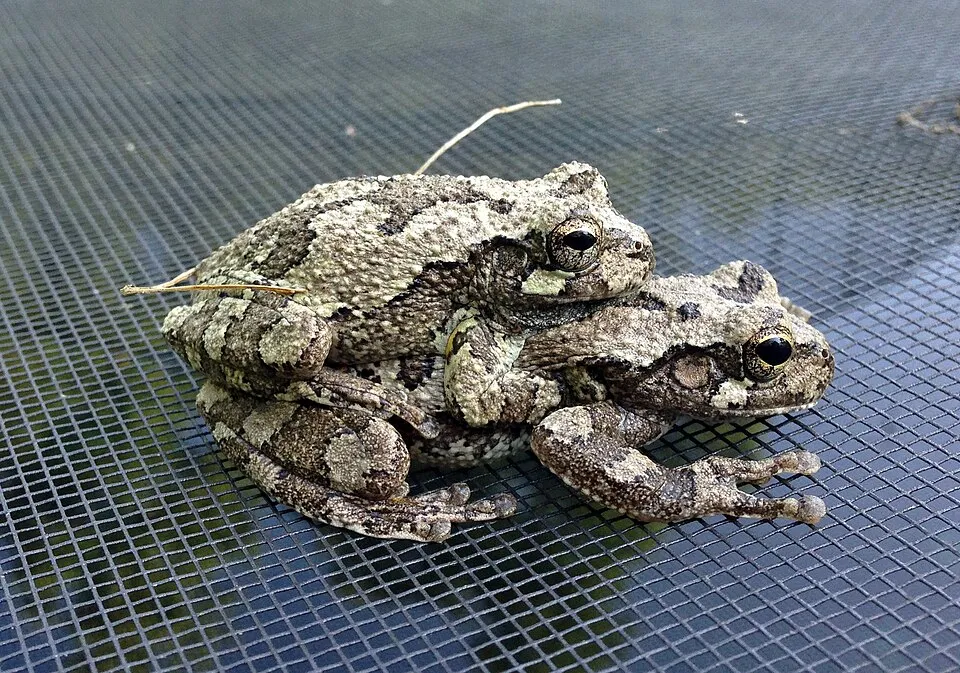
Gray treefrogs can look green, gray, or brown, often with mottled patterns that resemble lichen-covered bark. That camouflage is especially useful for a tree-climbing frog that spends much of its time resting on branches and trunks.
The Smithsonian’s National Zoo notes that gray treefrog coloration changes in response to temperature and activity. Their shifting background colors work with irregular markings rather than producing a perfectly copied image of whatever surface they sit on. When identifying this frog, color alone is unreliable; its skin texture, toe pads, and other markings also matter.
Look for: an individual that appears greenish against leaves and grayer or browner at another time.
4. Pacific Treefrog — Not Every Individual Changes Color
Scientific name: Pseudacris regilla | Type of change: From light/dark changes to days or weeks for hue shifts

Pacific treefrogs, also known as Pacific chorus frogs, may be green, gray, or reddish brown. The fascinating detail is that the population is not made up entirely of fast color-changers. Research has identified both relatively fixed-color individuals and a distinct group that can shift between green and brown.
In that study, major hue changes took days to weeks and were linked more strongly to background brightness than to simply copying background hue. The Burke Museum also describes this species changing from light to dark. These findings show why ‘color-changing frog’ does not always mean instant camouflage.
Look for: individual variation, rather than assuming all Pacific treefrogs change in the same way.
5. Common Cuttlefish — A Moving Pattern on the Seafloor
Scientific name: Sepia officinalis | Type of change: Seconds
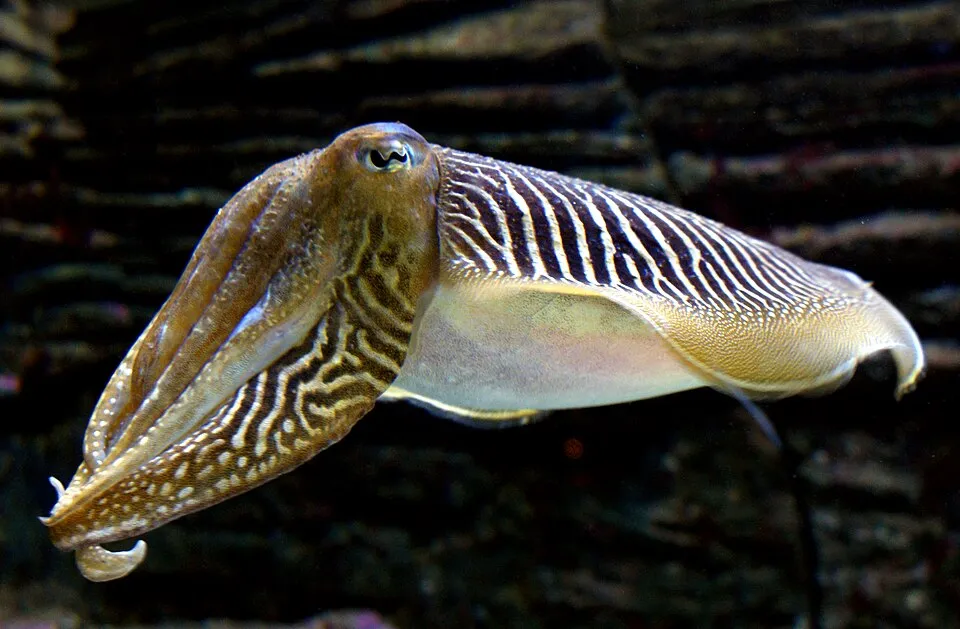
The common cuttlefish can turn its skin into a shifting arrangement of pale patches, dark bars, and mottled patterns. A cuttlefish resting over sand may look very different from one displaying a bold pattern during an encounter.
Special pigment organs called chromatophores help create rapid changes. Muscles controlled by the nervous system expand or contract tiny pigment sacs, making colored areas more or less visible. Reflective cells add to the effect. This allows a cuttlefish to hide from predators, approach prey, and communicate using its skin.
Look for: high-contrast waves or bands that seem to appear across the body almost instantly.
6. Common Octopus — Camouflage in Color and Texture
Scientific name: Octopus vulgaris | Type of change: Seconds
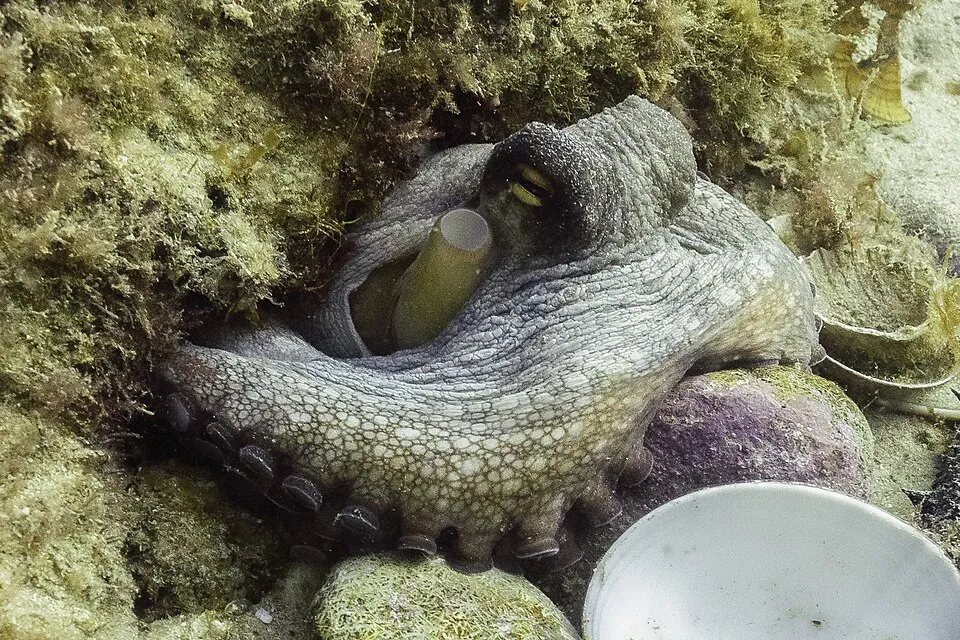
A common octopus can make itself less conspicuous against a rocky reef, a patch of seaweed, or a sandy bottom. It may alter both its overall color and the arrangement of spots or blotches over its skin.
Octopuses have pigment-filled chromatophores as well as light-reflecting cells. They can also raise and flatten small bumps called papillae, changing the texture of their skin. This makes their camouflage more convincing than color adjustment alone. An octopus may use one appearance while hiding and a completely different display when threatened or exploring.
Look for: changes in skin texture together with the color pattern, not just a shift from light to dark.
7. Caribbean Reef Squid — Signals Written Across the Body
Scientific name: Sepioteuthis sepioidea | Type of change: Seconds
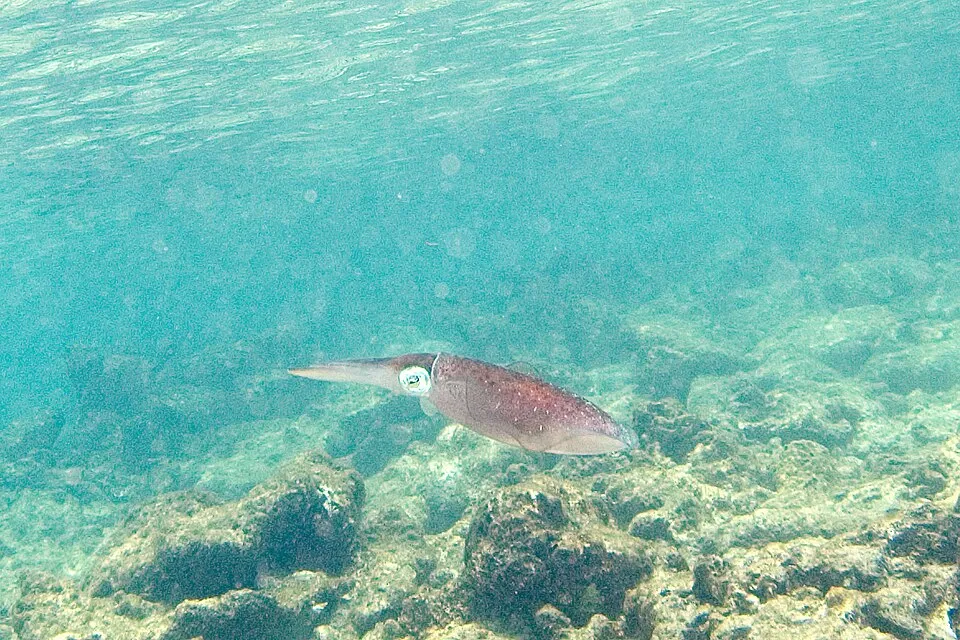
The Caribbean reef squid is a social, visually expressive cephalopod. It can quickly display pale and dark body areas, patterns, and contrasting signals while swimming through warm Atlantic and Caribbean waters.
Smithsonian Ocean describes male Caribbean reef squid using different colors during courtship and competitive interactions. Some can present different displays on opposite sides of the body, a vivid example of how these patterns are not merely camouflage. Changing color can act like a moving message to other squid.
Look for: quick, sharply defined patterns used while several squid interact.
8. Mimic Octopus — Color Change Plus Body Acting
Scientific name: Thaumoctopus mimicus | Type of change: Seconds

The mimic octopus is remarkable because it does more than change its colors. It also arranges its arms and changes how it swims or crawls, creating a performance that can resemble other marine animals.
Its pale-and-dark pattern may form part of these displays, while its flexible body supplies the shape and movement. That combination matters: mimicry is not just a paint job. When the animal stretches its arms or flattens against the seabed, its pose and motion help create the illusion.
Look for: a color pattern combined with a striking change in body shape or swimming style.
9. Peacock Flounder — A Seafloor Color Match
Scientific name: Bothus lunatus | Type of change: Rapid

At first glance, the peacock flounder may look like a decorated patch of sand. Both eyes are on one side of its body, and its gray-brown skin bears spots and small blue markings.
The Florida Museum explains that this flatfish can change its color rapidly to suit its immediate surroundings. Vision is important to the process: an individual with impaired sight may struggle to match the background. This helps distinguish its adaptive camouflage from simply having permanent sandy coloration.
Look for: a flatfish whose background shade and pattern shift when it settles on a different section of seabed.
10. Golden Tortoise Beetle — Losing a Metallic Shine
Scientific name: Charidotella sexpunctata | Type of change: Rapid color-state changes

This small beetle can look like a piece of polished gold. When disturbed or stressed, its shiny appearance may become reddish or brownish. The effect is very different from the pigment patterns of a squid.
The Royal Entomological Society notes that the golden appearance of the American golden tortoise beetle comes from microscopic structures that control reflected light. It also cautions that the exact mechanism in this particular species has not been fully studied. A related tortoise beetle has been investigated in detail, but that finding should not be presented as proof of an identical mechanism here.
Look for: the change between a bright metallic sheen and a duller reddish appearance.
11. Goldenrod Crab Spider — Yellow or White, Slowly
Scientific name: Misumena vatia | Type of change: Days to weeks
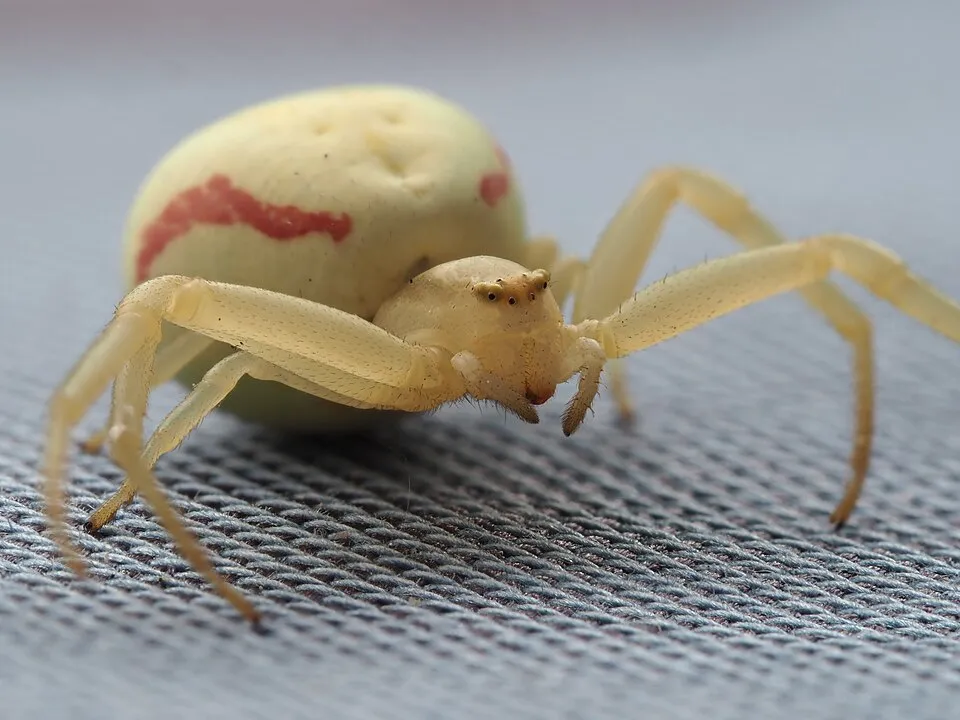
A goldenrod crab spider can wait almost motionless on a flower, ready to ambush an insect. Individuals may be white or yellow, and some can alter their body color over time. The important word is slowly.
Oregon State University Extension explains that a yellow-to-white change can take about six days, while white-to-yellow may take 10 to 25 days. The difference is linked to the removal and production of yellow pigment. Rather than flashing a new color in front of a predator, this spider gradually adapts its appearance as it hunts among flowers.
Look for: a spider matching a white or yellow blossom, not an instantaneous color switch.
12. Snowshoe Hare — Brown Summer Fur, White Winter Fur
Scientific name: Lepus americanus | Type of change: Seasonal molt over weeks
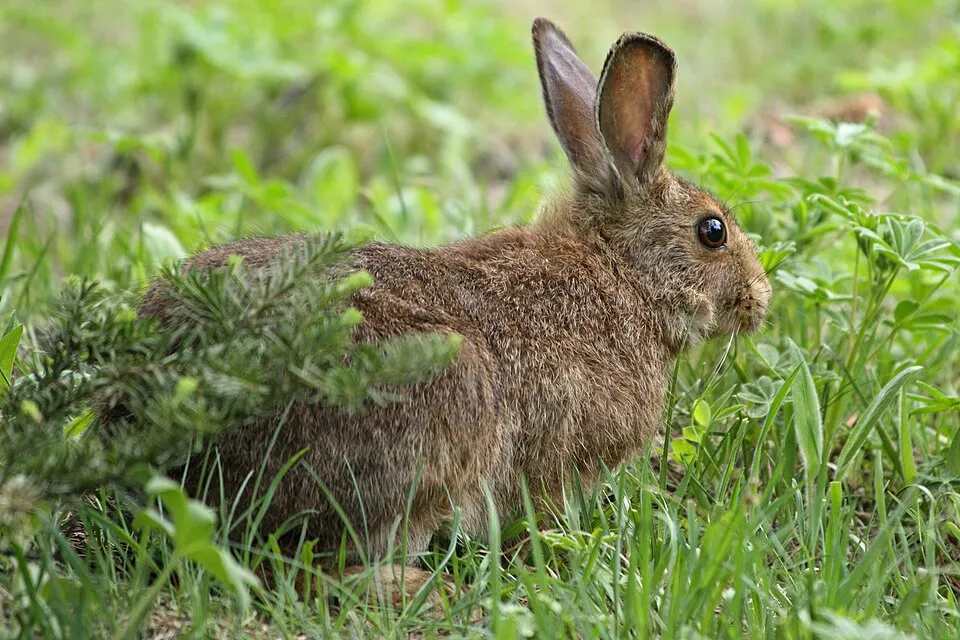
The snowshoe hare lives in northern forests where snow can cover the ground for months. In many parts of its range, its coat changes from brownish summer fur to predominantly white winter fur.
Unlike a chameleon, the hare is not changing the color of an existing hair in seconds. It replaces its coat during seasonal molts, with day length playing an important role in timing. White fur helps it blend into snow, while brown fur is better suited to the darker, snow-free forest floor. A mismatch between coat color and snow cover can make camouflage less effective.
Look for: the patchwork brown-and-white appearance during spring and autumn transitions.
13. Arctic Fox — A Coat That Follows the Seasons
Scientific name: Vulpes lagopus | Type of change: Seasonal molt over weeks
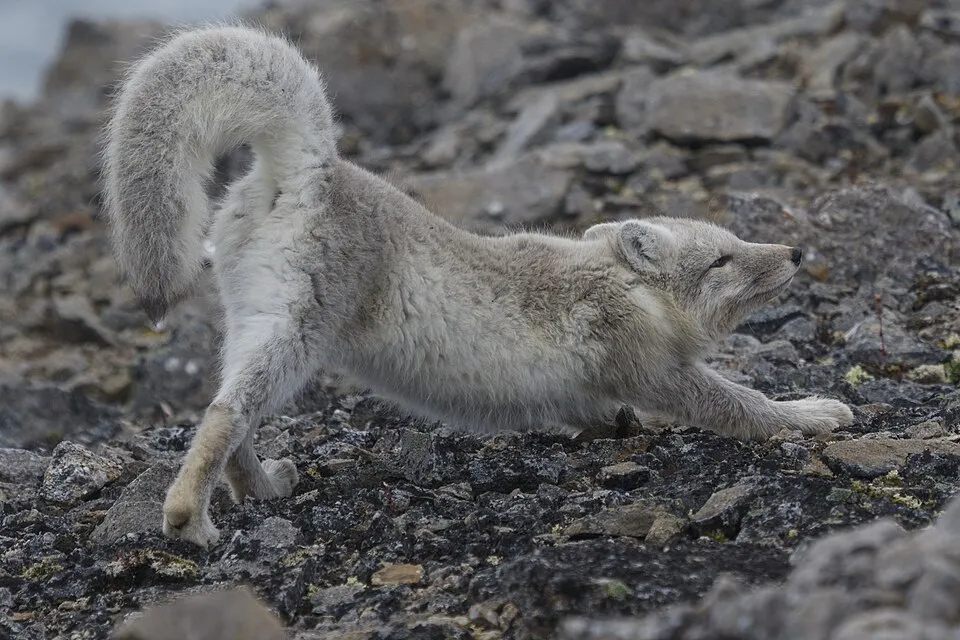
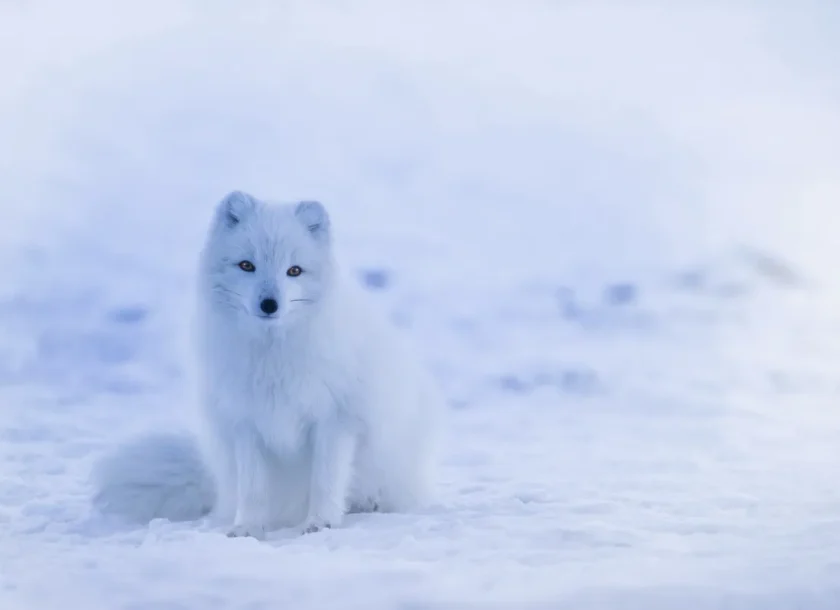
An Arctic fox in a white winter coat can almost disappear into a snowy tundra landscape. In summer, many white-morph foxes wear a brownish or grayish coat that fits rocks, soil, and sparse vegetation much better.
The change comes through seasonal molting rather than a sudden adjustment to the color of the nearest snowdrift. Arctic foxes also have different color morphs, including darker blue-morph animals, so not every fox turns white. That detail matters when using photographs to explain how seasonal camouflage works.
Look for: the difference between white-morph winter and summer coats, and remember that darker morphs also exist.
14. Rock Ptarmigan — White Winter Feathers, Brown Summer Feathers
Scientific name: Lagopus muta | Type of change: Seasonal molt
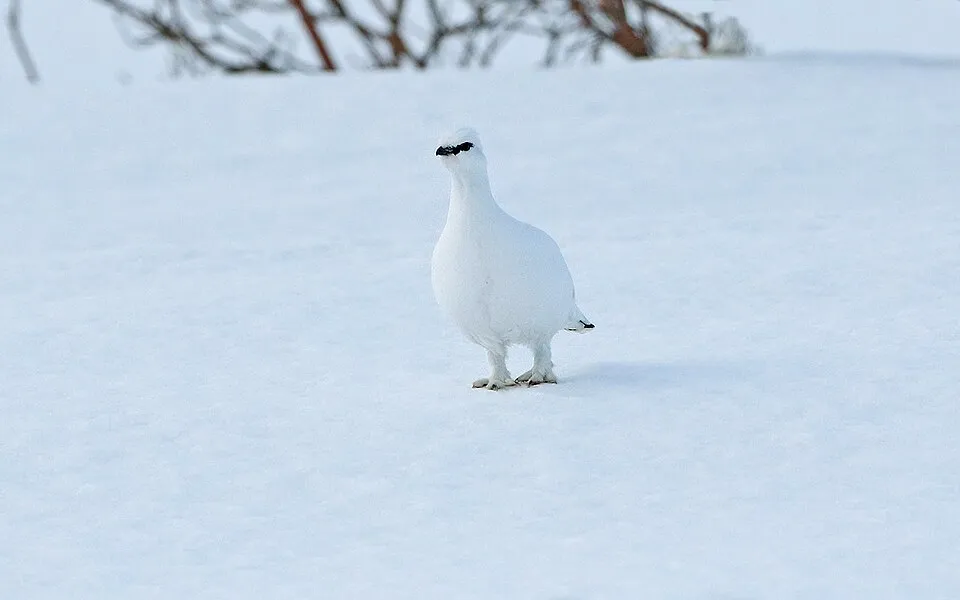
The rock ptarmigan is a hardy northern grouse that uses feathers as camouflage. During snowy months, most of its plumage is white; in summer it becomes barred and mottled in browns and grays.
Birds do not make each feather rapidly change color as a squid changes its skin. Instead, ptarmigan replace feathers across the seasons. Both males and females change appearance, although the exact timing and plumage pattern can vary. Cornell Lab notes that rock ptarmigan retain distinctive darker areas even in winter, so ‘white bird’ is only a broad description.
Look for: the same species appearing almost white in snow and richly patterned on rocky tundra.
15. Stoat (Ermine) — White in Some Winters
Scientific name: Mustela erminea | Type of change: Seasonal molt
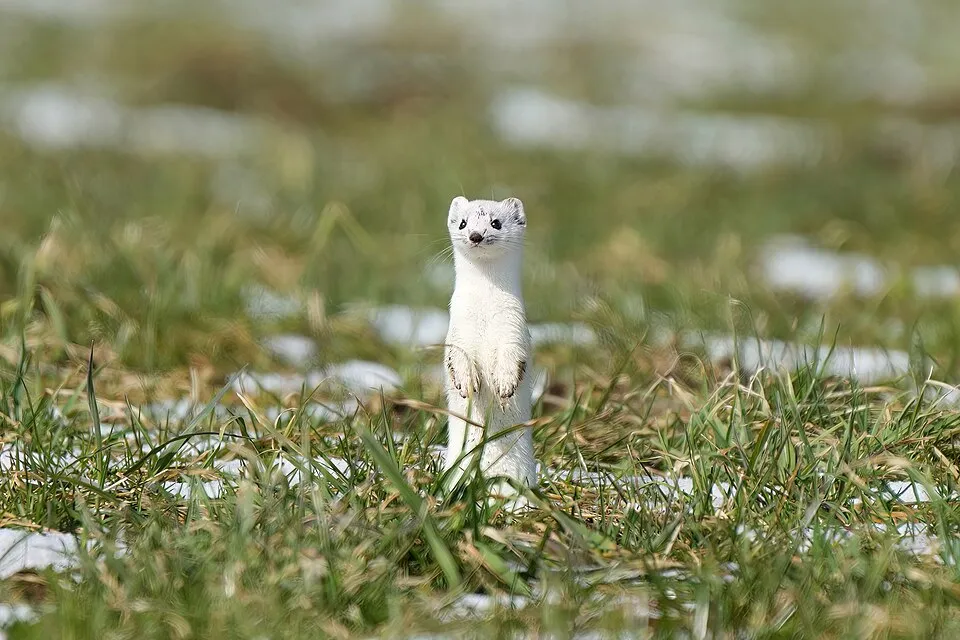
The stoat is a slim, fast-moving predator with brown upper fur and a distinctive black-tipped tail. In colder parts of its range, some stoats turn white during winter. A stoat wearing that white coat is often called an ermine.
This is a seasonal coat change, not an immediate response to a surface. Importantly, not all stoats become white. In warmer areas, they may stay brown or develop only a patchy winter coat. Even when the body turns white, the black tail tip remains, giving the animal a useful identification clue.
Look for: a white winter animal with a contrasting black tail tip.
How Do Animals Change Color?
Pigment cells and reflective structures
Cephalopods use pigment sacs in chromatophores, often alongside light-reflecting cells. In panther chameleons, structural color comes partly from tunable crystals in specialized skin cells. In both groups, the visible result can change fast, but the mechanisms are not identical.
Slow pigment adjustment
A goldenrod crab spider can alter the balance of yellow pigment over days. Some treefrogs vary in color too, but speed and capability differ by species and individual.
Seasonal replacement of fur and feathers
Snowshoe hares, Arctic foxes, stoats, and ptarmigan change how they look by molting or growing a new seasonal covering. It is not a magic switch in the color of each old hair or feather.
Camouflage is only one reason
Color changes may help an animal hide, regulate its response to conditions, or signal to another animal. Bright squid and chameleon displays can be communicative rather than attempts to vanish into the background.
Frequently Asked Questions
Which animal changes color the fastest?
Octopuses, squid, and cuttlefish are among the best-known rapid color-changers. Their nervous systems control skin pigment structures, allowing visible pattern changes in seconds. There is no single universally established fastest species for every type of color change.
Do chameleons change color only to camouflage?
No. Chameleon coloration also plays important roles in social signaling, and physical conditions can affect appearance. Adult male panther chameleons are especially well studied for rapid color shifts during interactions.
Can mammals change color in seconds?
The seasonal examples in this article cannot. Snowshoe hares, Arctic foxes, and stoats generally change their coat appearance through molting over an extended period.
Does every Pacific treefrog turn green and brown?
No. Research has reported both relatively fixed green or brown frogs and a distinct color-changing group. The shift between major hues in that study took days to weeks.
Why do some animals turn white in winter?
White winter fur or feathers can help animals blend with snow-covered surroundings. The timing and extent vary across species, populations, and climate conditions.
Final Thought
The most spectacular transformation is not always the quickest. A squid may flash a new pattern almost immediately, while a hare spends weeks preparing a coat for winter. Both are powerful examples of evolution shaping an animal’s appearance to suit its life.
Explore more from Animal Window: 15 Animals That Live Underground — a guide to another remarkable survival strategy.
Sources and Further Reading
- Teyssier et al. (2015), Photonic crystals cause active colour change in chameleons, Nature Communications
- Smithsonian Ocean, How Octopuses and Squids Change Color
- University of Florida IFAS, Anoles
- Smithsonian National Zoo, Gray Tree Frog
- Wente & Phillips (2003), Pacific treefrog color morphs, American Naturalist
- Florida Museum, Peacock Flounder
- Royal Entomological Society, Golden Tortoise Beetle
- Oregon State University Extension, Goldenrod Crab Spiders
- National Park Service, Snowshoe Hare
- National Park Service, Arctic Fox
- Cornell Lab of Ornithology, Rock Ptarmigan
- Woodland Trust, Stoat