A wood duck can hatch high above a pond. A flying squirrel can spend the day in an old woodpecker hole. In the Great Smoky Mountains, even a black bear may spend the winter inside a standing tree.
Tree hollows serve as nurseries, daytime hideouts, and winter dens. The same opening that suits a small bird may be too narrow for an owl, while a trunk that looks solid from the outside can contain a chamber big enough for a bear. Here are 12 animals that use tree hollows and what each one does inside.
12 Animals That Use Tree Hollows
1. Pileated Woodpecker
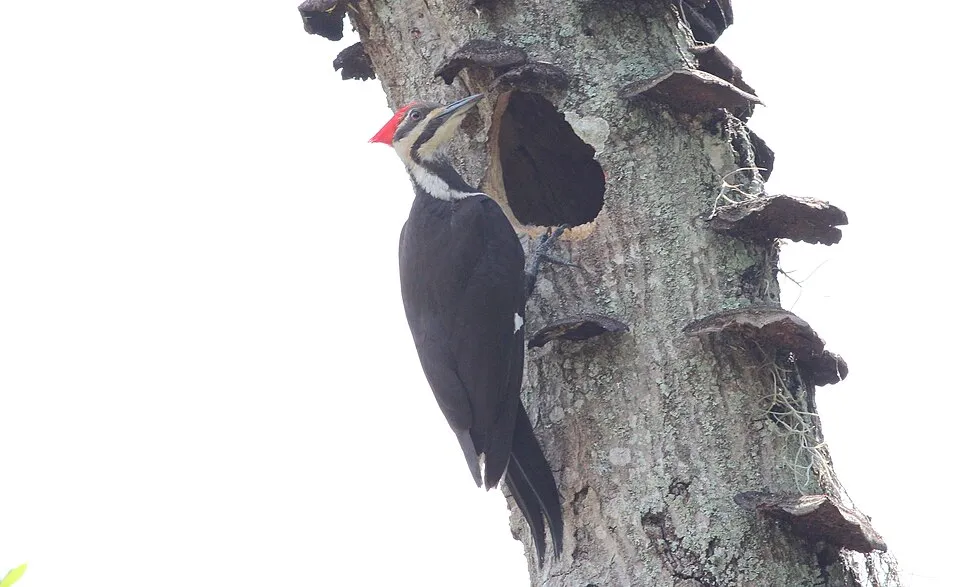
The pileated woodpecker (Dryocopus pileatus) chisels its own nest chamber, often in a large dead tree. Once the young have left, the old cavity can become shelter for another species. Owls, ducks, bats, and other animals can benefit from work the woodpecker did for its own brood.
The holes you see on a trunk can serve different purposes. Pileated woodpeckers also cut conspicuous, often rectangular openings while searching for insects. A fresh patch of exposed wood may mark a feeding site.
2. Wood Duck

A female wood duck (Aix sponsa) often nests in a tree cavity near water, although suitable trees can be farther away. A broken branch can leave an opening that gradually deepens as the inner wood decays, eventually creating a sheltered nest chamber.
Soon after hatching, the ducklings leave the nest by jumping from the opening. Their mother calls from below, and they follow her toward water. For a bird most often seen swimming, its first trip starts in a tree.
3. Eastern Screech-Owl
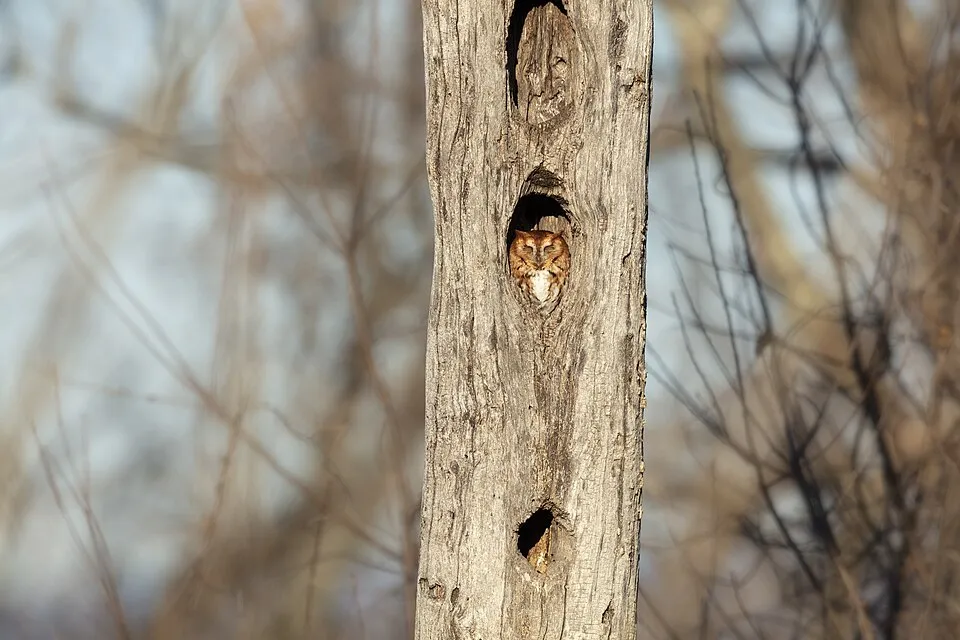
The eastern screech-owl (Megascops asio) uses existing cavities for nesting and daytime shelter. It may take over an old woodpecker hole or settle into a hollow left by a broken limb.
Sometimes the owl rests just inside the entrance. Its gray or reddish plumage can blend with the bark so closely that the face is easier to spot than the body. An owl seen at an opening may simply be roosting there for the day.
4. Eastern Bluebird
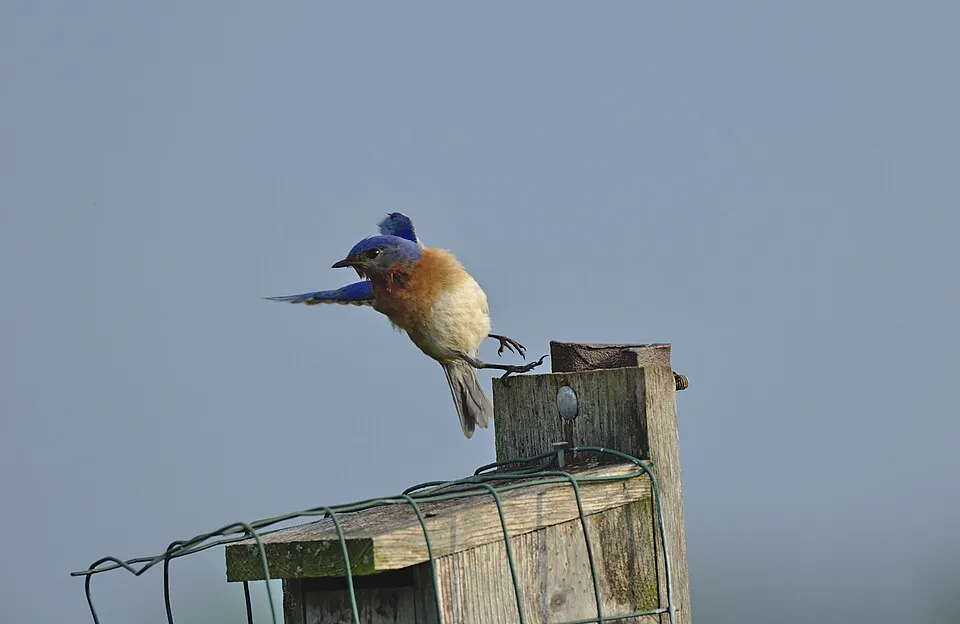
An eastern bluebird (Sialia sialis) may nest in an abandoned woodpecker hole, a natural hollow, or a nest box. The female builds a cup of grasses or other plant material inside the chamber.
Location matters. Bluebirds often hunt from low perches over open ground, so a cavity at the edge of a field or clearing can offer both a sheltered nest and easy access to feeding areas.
5. Eurasian Nuthatch

The Eurasian nuthatch (Sitta europaea) can remodel a tree hole with mud. If the opening is too wide, the female builds up its edges until the entrance is small enough to help keep larger birds out.
Inside, the birds line the chamber with materials such as bark and dead leaves. A rim of dried mud around a woodland nest hole is one clue that a nuthatch has altered the entrance.
6. Laughing Kookaburra

The laughing kookaburra (Dacelo novaeguineae) can raise its chicks in a natural tree hollow or in a chamber excavated in a tree-dwelling termite mound. A tree hollow may be used as a bare nest chamber, with the eggs laid inside.
Older offspring sometimes stay with their parents and help raise the next brood. Several kookaburras visiting the same opening may be members of one family.
7. Superb Parrot
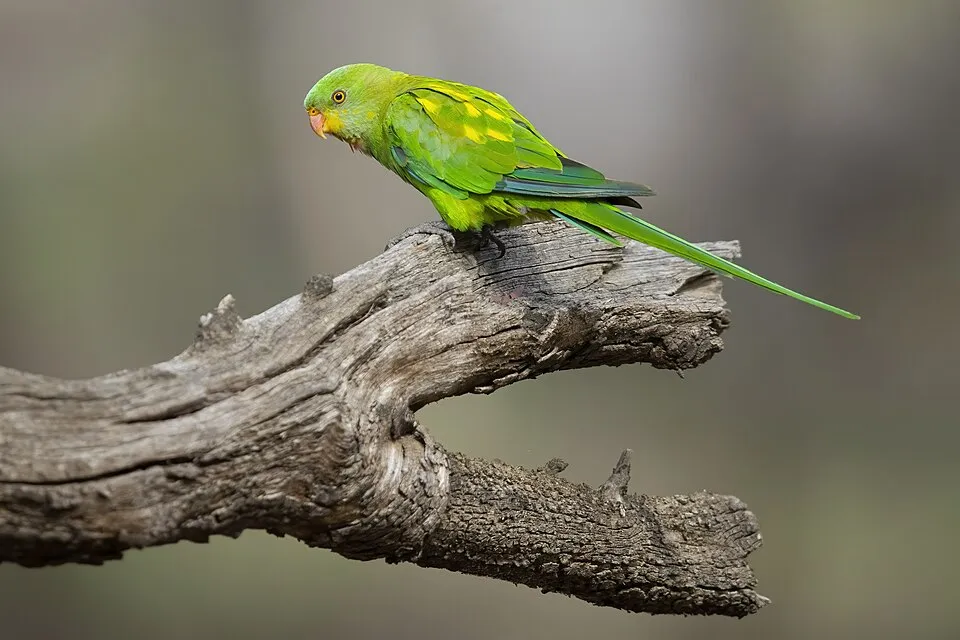
In southeastern Australia, superb parrots (Polytelis swainsonii) often nest in deep tree hollows, including those in mature river red gums. The entrance needs to admit an adult parrot, and the chamber inside needs enough room for the brood.
The nesting tree is only one part of their habitat. Superb parrots can travel from nesting sites to nearby woodland and open country to feed. A landscape can offer plenty of food and still have few trees suitable for breeding.
8. Southern Flying Squirrel

The southern flying squirrel (Glaucomys volans) may spend daylight hours in a natural tree cavity or an abandoned woodpecker hole. It leaves after dark to forage and glides between trees using a membrane stretched between its front and hind legs.
These squirrels also build leaf nests. Where cavities are available, a hollow trunk provides an enclosed resting place with solid walls around it.
9. Common Brushtail Possum
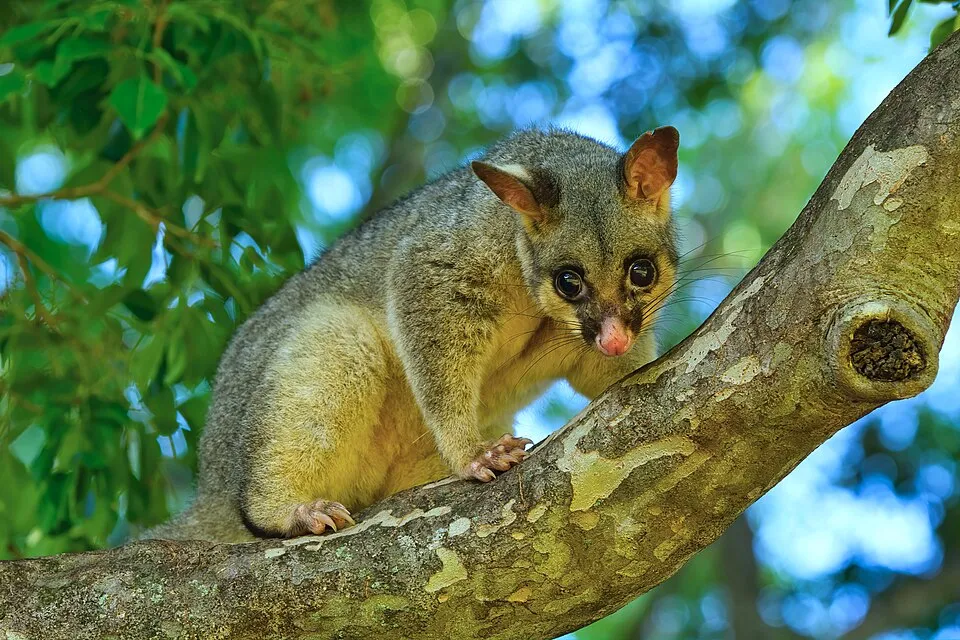
The common brushtail possum (Trichosurus vulpecula) is active mostly at night. During the day, it can retreat into a hollow trunk, branch, or log. In towns and suburbs, the dark space beneath a roof can serve a similar purpose.
The hollow is a place to sleep between trips outside. A possum can spend much of its active time away from the tree where it shelters.
10. Raccoon
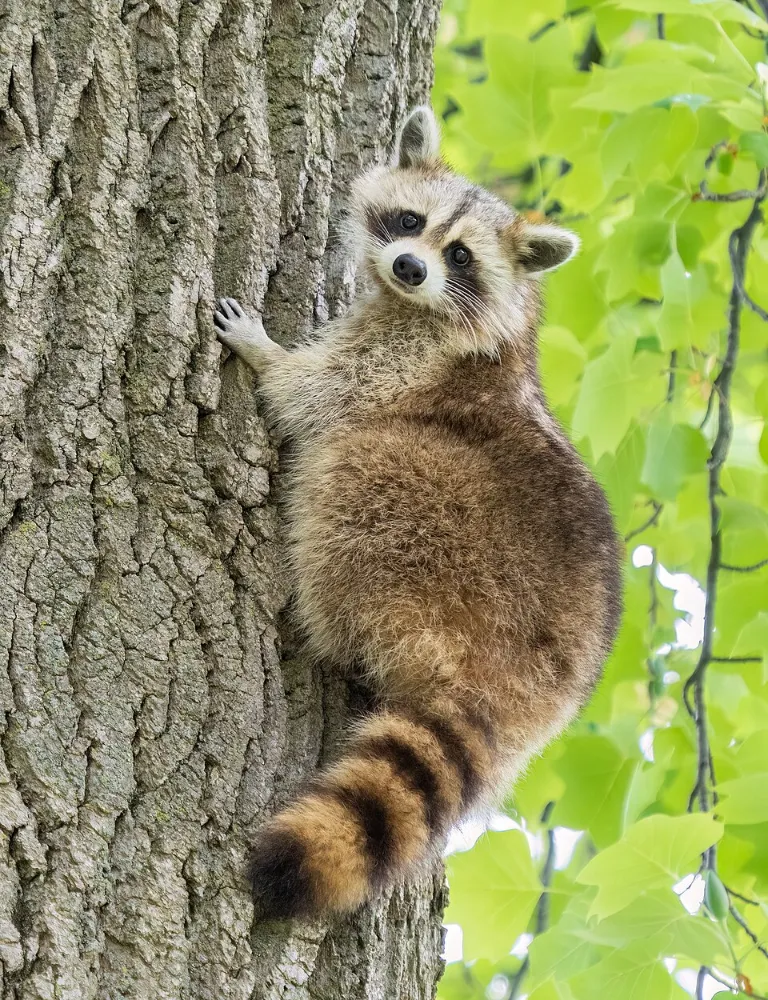
A raccoon (Procyon lotor) can use a hollow tree as a den, including as a place for a female to raise her young. Its climbing ability gives it access to openings well above the ground.
Raccoons also den in places such as rock crevices and buildings. A tree hollow is one option in a range of sheltered spaces, and its value depends on what else is available nearby.
11. American Black Bear
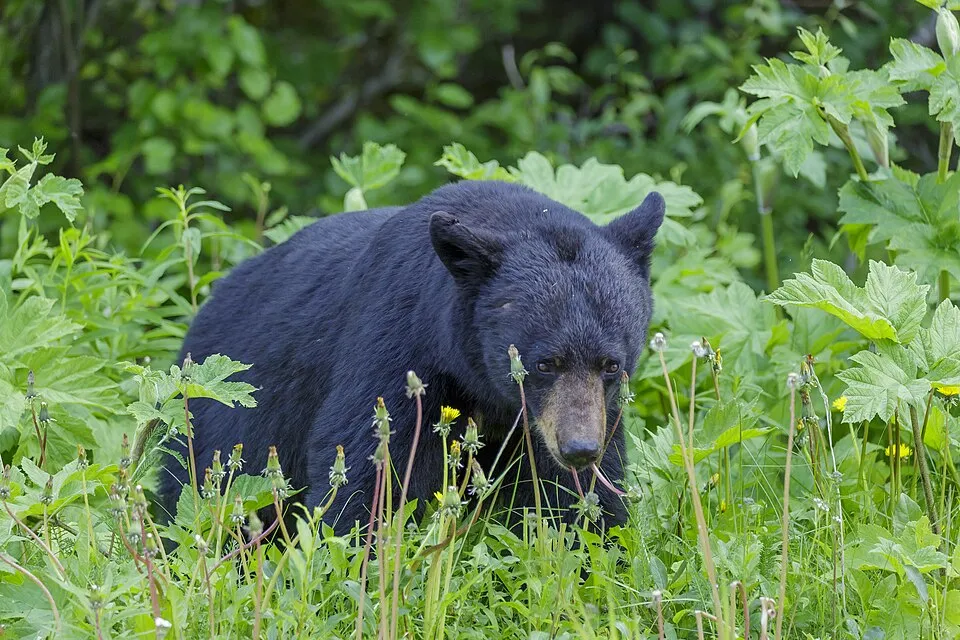
An American black bear (Ursus americanus) can spend the winter in a hollow tree, a hollow stump, or another sheltered den. The National Park Service reports that black bears in the Great Smoky Mountains often den high above ground inside standing hollow trees.
A bear-sized den needs a substantial chamber. The opening is only the part you can see, and a large trunk can hide much more space than its entrance suggests.
12. Bechstein’s Bat
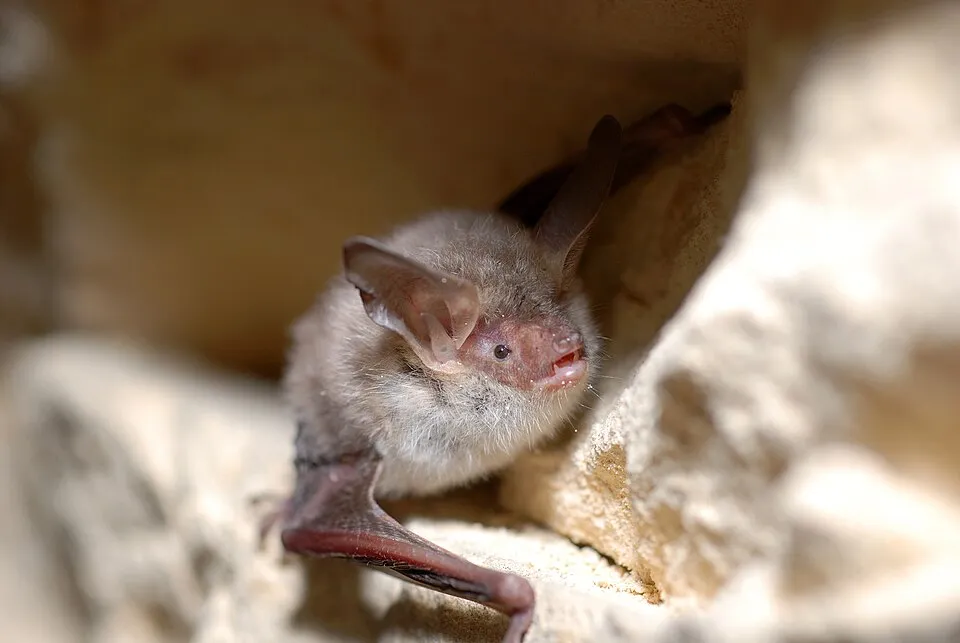
Bechstein’s bat (Myotis bechsteinii) is closely associated with mature woodland. In summer, it often roosts in old woodpecker holes, although it may also shelter behind loose bark or inside tree crevices.
Groups of females raising young can change roosts frequently. Several hollow trees in the same woodland can provide a network of shelters that the bats use through the season.
How Do Tree Hollows Form?
A branch can break in a storm and expose the wood beneath the bark. Fungi and other organisms gradually break down the exposed wood, and the opening can deepen into a chamber. Hollows can develop in living trees as well as in dead ones. Woodpeckers create other cavities by excavating them.
The shape of the resulting chamber affects who can use it. Entrance width controls which animals can get in. Interior depth and space help determine whether it suits a small roosting bat, a nesting duck, or a much larger mammal. A forest with trees of different ages and sizes can offer more kinds of shelter.
Frequently Asked Questions
Which animals make their own holes in trees?
Woodpeckers are among the best-known excavators. A pileated woodpecker chisels a nest chamber, while birds such as eastern screech-owls and wood ducks use cavities that already exist. A Eurasian nuthatch can alter an existing entrance with mud.
Can a duck really nest in a tree?
Yes. Wood ducks commonly nest in tree cavities. Soon after hatching, the ducklings jump from the nest and follow their mother toward water.
Do animals stay in tree hollows all year?
Use depends on the species and season. A duck uses its cavity to breed, a possum can shelter in one during the day, and a black bear may use a large hollow as a winter den. Some bats move among several tree roosts over a single summer.
For another look at how animals use enclosed spaces, see 15 Animals That Live Underground.
Sources and Further Reading
- Cornell Lab of Ornithology — Pileated Woodpecker, Wood Duck, Eastern Screech-Owl, and Eastern Bluebird.
- Royal Society for the Protection of Birds — Eurasian Nuthatch.
- Australian Museum — Laughing Kookaburra and Common Brushtail Possum.
- NSW Environment and Heritage — Superb Parrot and How Tree Hollows Form.
- Animal Diversity Web — Southern Flying Squirrel.
- Maryland Department of Natural Resources — Raccoon.
- U.S. National Park Service — Black Bears and Their Dens.
- Bat Conservation Trust — Bechstein’s Bat.


